Investing in Baku: How a Lower Cost of Living Drives Housing Demand
Published on 2026-08-04 · 3 min read
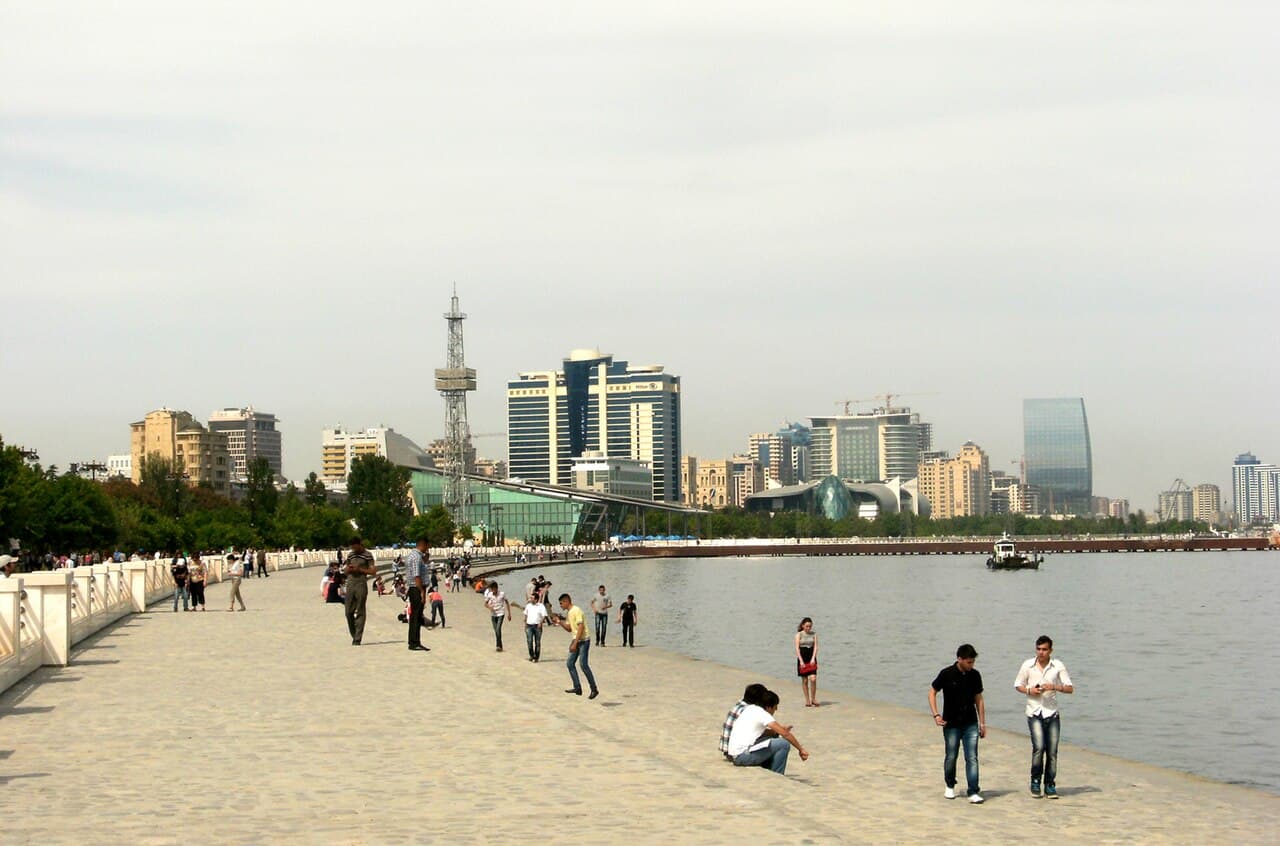
One factor that gets less attention in discussions of Baku real estate is the indirect effect of cost of living on housing demand. A city with a meaningfully lower cost of living than major Western capitals isn't just pleasant to live in - it also becomes attractive to remote workers, retirees, and families looking to improve their quality of life without giving up urban conveniences. And as the population of residents and medium-term stayers grows, so does demand for housing, both for rent and for purchase.

The Cost-of-Living Gap Versus Western Europe and Israel
Based on general estimates (which should be treated as indicative rather than precise), the overall cost of living in Baku - rent, food, transportation, and entertainment - is considerably lower than in cities like Tel Aviv, Paris, or London, and in some cases lower than in secondary Western cities as well. This gap is especially pronounced in housing: a quality rental apartment in central Baku can cost a fraction of a comparable unit in major Western cities.
Remote Workers and Retirees as a Demand Source
The remote-work trend that strengthened in recent years has let more people choose where to live independent of where their employer is based. For those seeking a combination of low cost of living, pleasant climate, international connectivity (direct flights to several destinations), and urban quality of life, Baku has increasingly entered the conversation. Retirees, too, often look for destinations where their savings stretch further - and here, the relatively low cost of living plays a similar role.
How This Translates Into Housing Demand
As more people choose to relocate to the city, whether long-term or short-term, it creates a dual demand: long-term rental demand from those not yet ready to commit permanently, and purchase demand from those who have decided to settle. For anyone weighing an investment in Baku, this pattern of inbound relocation - even if modest compared to major European cities - is a supporting factor worth considering alongside others such as rental yields and location.
Caveats Worth Keeping in Mind
- Data varies: cost-of-living indices differ by source and update regularly, so gaps should be treated as a general indication rather than a fixed figure.
- Not a guaranteed one-way trend: the pace of relocation by remote workers and retirees also depends on factors like visa policy, healthcare access, and local infrastructure, which don't always develop at the same pace.
- Currency exposure: the cost-of-living advantage can widen or narrow depending on fluctuations in the local currency against foreign currencies.
Bottom Line for Investors
Baku's relatively low cost of living isn't just a tourism perk - it's a genuine, if modest, demand driver that can support the local real estate market over time. For anyone considering investing in Baku, it makes sense to treat this factor as part of a broader picture and combine it with a review of other economic fundamentals before making a decision.
Related Articles
- Low Entry Prices: Baku's Competitive Edge for Real Estate Investors
- The Currency and Cost Advantage Behind Investing in Baku
- Baku's Growing International Community and What It Signals for Investors
- A Practical Guide to Relocating or Staying Long-Term in Baku
- Getting Around Baku: A Practical Transport Guide
Real estate investingThe Israel-Azerbaijan-US Triangle in 2026
An AI memorandum, an American strategic charter and talks on a trilateral format. What is actually new here, what was already in place, and what it means for buyers
Read more → Real estate investing
How Dependent Is Azerbaijan's Economy on Oil, Really?
The non-oil sector reaches 75.8% of GDP in 2026, but that share is rising for two different reasons. The official figures, the IMF's view, and what it means for buyers
Read more → Real estate investing
The Armenia-Azerbaijan Peace Deal: Where It Stands
The agreement was initialed in August 2025 but remains unsigned. What was agreed, what is blocking signature, what the Armenian election changed, and what it means for owners
Read more →