Baku's Tourism Boom: Another Driver Behind Real Estate Investment
Published on 2026-08-04 · 3 min read
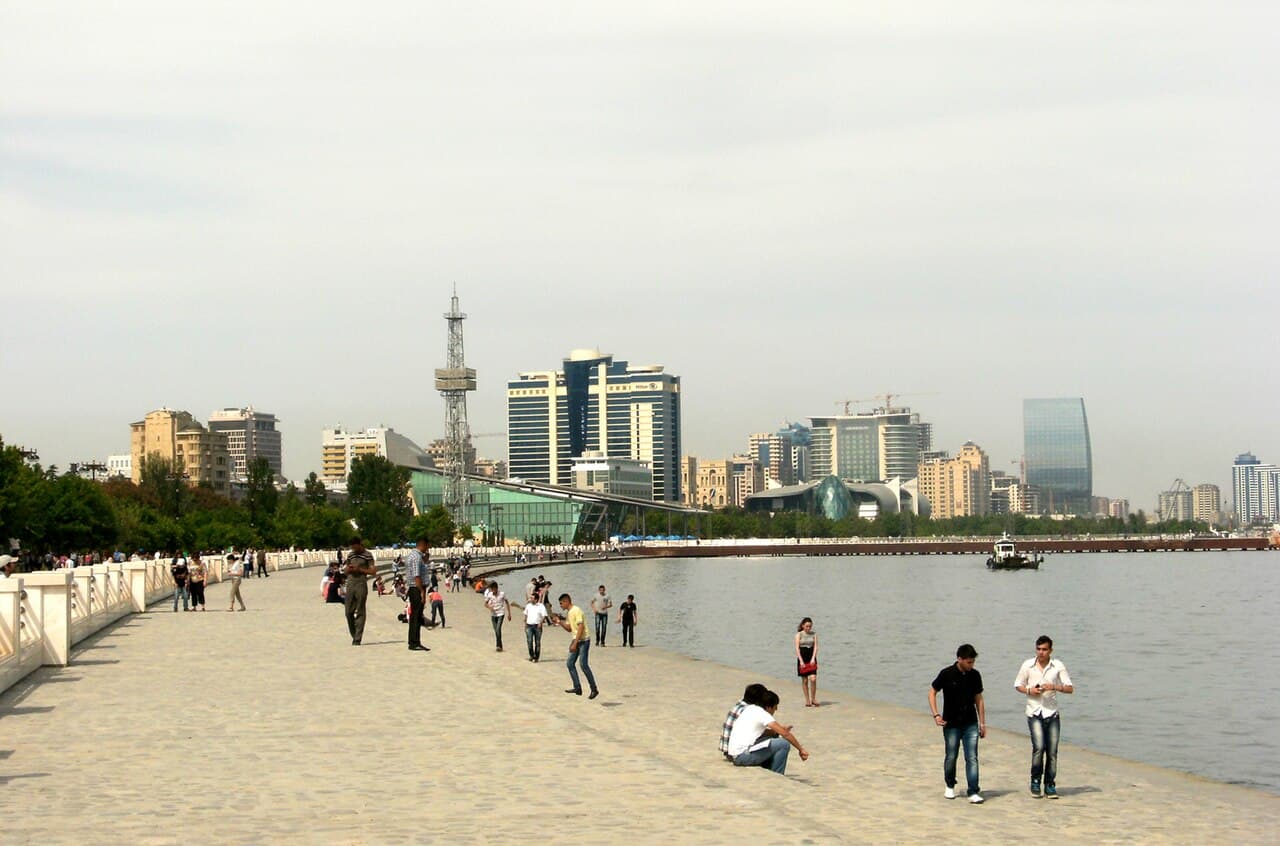
Beyond broader economic factors, one of the clearest drivers of real estate demand in Baku is the sustained growth of its tourism industry. This trend doesn't just directly support properties aimed at short-term rentals - it also has an indirect effect on the wider market, and is a meaningful consideration for anyone weighing an investment in the city.
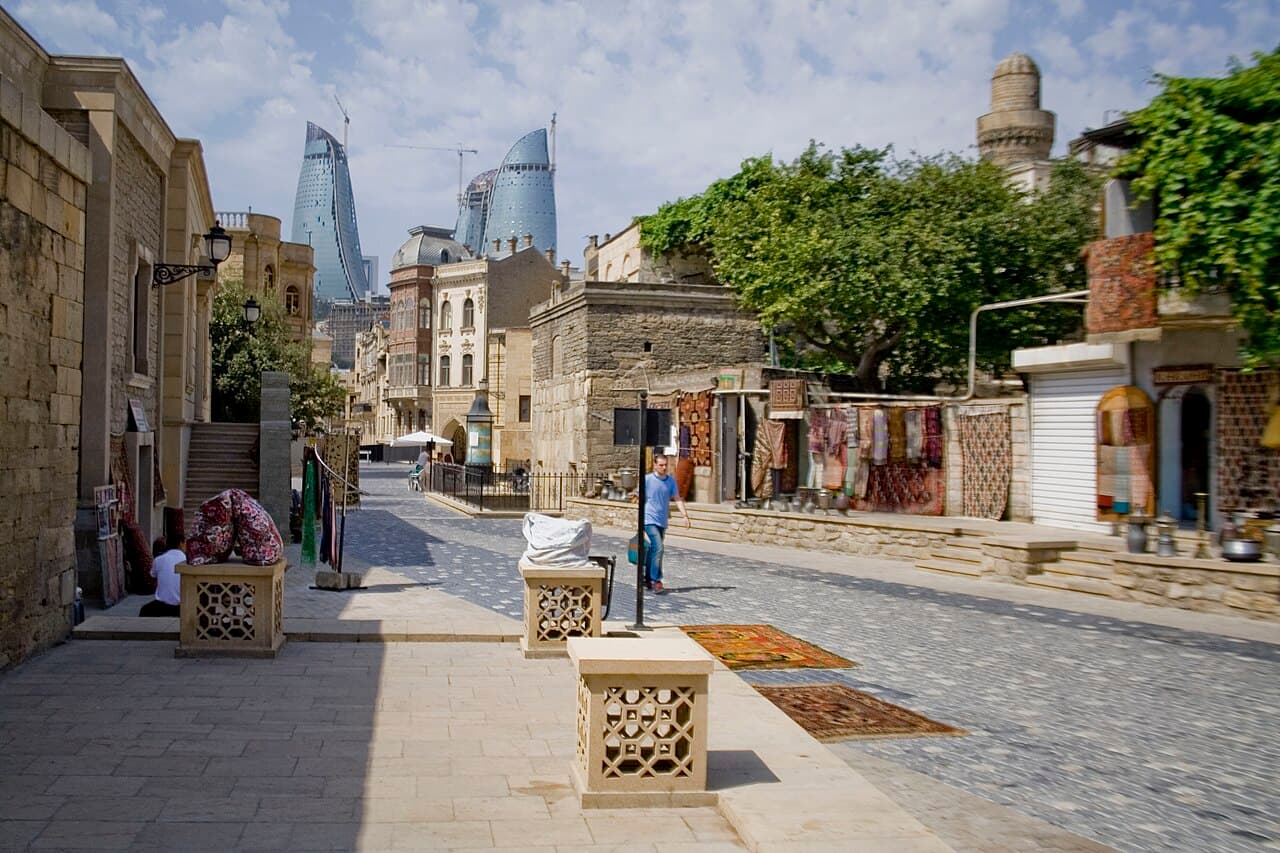
Growth in Visitor Numbers
Over the past decade and a half, Azerbaijan - and Baku in particular - has become a more recognized tourism destination across Europe and Asia, thanks partly to international events the city has hosted and partly to relatively accommodating visa policies for travelers from many countries. Annual visitor numbers have grown considerably over the years, though not at a uniform pace, with temporary dips during periods of global disruption. It's worth treating these figures as a general trend rather than a fixed data point - tourism is a sector sensitive to geopolitical shifts, flight prices, and changing visa policy.
Hotel Occupancy and Hospitality Infrastructure Development
One interesting metric for anyone considering real estate here is the occupancy level in the city's hotels and accommodation venues. Sustained occupancy growth, alongside the opening of new hotels and international hospitality brands, points to relatively steady demand. This infrastructure development - roads, the airport, entertainment, and culture - is partly fueled by tourism itself, but it also serves local residents and boosts the overall appeal of neighborhoods close to the center and the waterfront.
Why Tourism Is a Macro Factor, Not Just a Niche
There's a tendency to think of tourism as relevant only to those interested in Airbnb-style short-term rentals, but in practice it's a broader macroeconomic factor. Tourism creates jobs in restaurants, transportation, and hospitality, attracts public and private infrastructure investment, and contributes foreign currency income that can support the city's overall macroeconomic stability. Together, these reinforce the broader rationale behind investing in Baku - even for investors who have no plans to rent to tourists at all.
Balancing Opportunity and Risk
Like any economic trend, tourism growth isn't without risk. Overreliance on a single sector can be harmful if a geopolitical crisis, global pandemic, or sudden visa policy shift occurs. In addition, growth in the supply of hotel rooms and tourist-oriented apartments could, over the long run, create competition that pushes prices down if demand doesn't keep pace. A reasonable investor should treat tourism growth as a supporting indicator, not a guarantee of returns.
What This Means for the Broader Real Estate Market
Even investors with no plans for short-term rentals can draw insight from this trend: areas benefiting from a growing tourist flow tend to also see improvements in infrastructure, public transit, and the quality of surrounding retail and services - all of which indirectly contribute to property values in the area. This is one reason central, waterfront-adjacent neighborhoods draw more attention in investment discussions.
Bottom Line
Baku's tourism growth is a positive trend supporting overall real estate demand in the city, but it should be viewed as one factor among several, not as an absolute guarantee. Combining tourism data with demographic trends and urban planning provides a more balanced picture for anyone evaluating an investment in Baku and looking to understand the economic dynamics driving it.
Related Articles
- Why Azerbaijan's Nationwide Tourism Expansion Is a Reason to Look Beyond Baku
- Investing in Baku: How Global Events Are Building the City's International Brand
- Baku's Growing International Community and What It Signals for Investors
- The Seasonal Calendar of Baku Tourism and What It Means for Rental Pricing
- Best Areas for Short-Term Rental Property, Matched to Tourist Type
 Real estate investing
The Israel-Azerbaijan-US Triangle in 2026
An AI memorandum, an American strategic charter and talks on a trilateral format. What is actually new here, what was already in place, and what it means for buyers
Read more →Real estate investingHow Dependent Is Azerbaijan's Economy on Oil, Really?
The non-oil sector reaches 75.8% of GDP in 2026, but that share is rising for two different reasons. The official figures, the IMF's view, and what it means for buyers
Read more → Real estate investing
The Armenia-Azerbaijan Peace Deal: Where It Stands
The agreement was initialed in August 2025 but remains unsigned. What was agreed, what is blocking signature, what the Armenian election changed, and what it means for owners
Read more →