Baku's Growing International Community and What It Signals for Investors
Published on 2026-08-04 · 3 min read
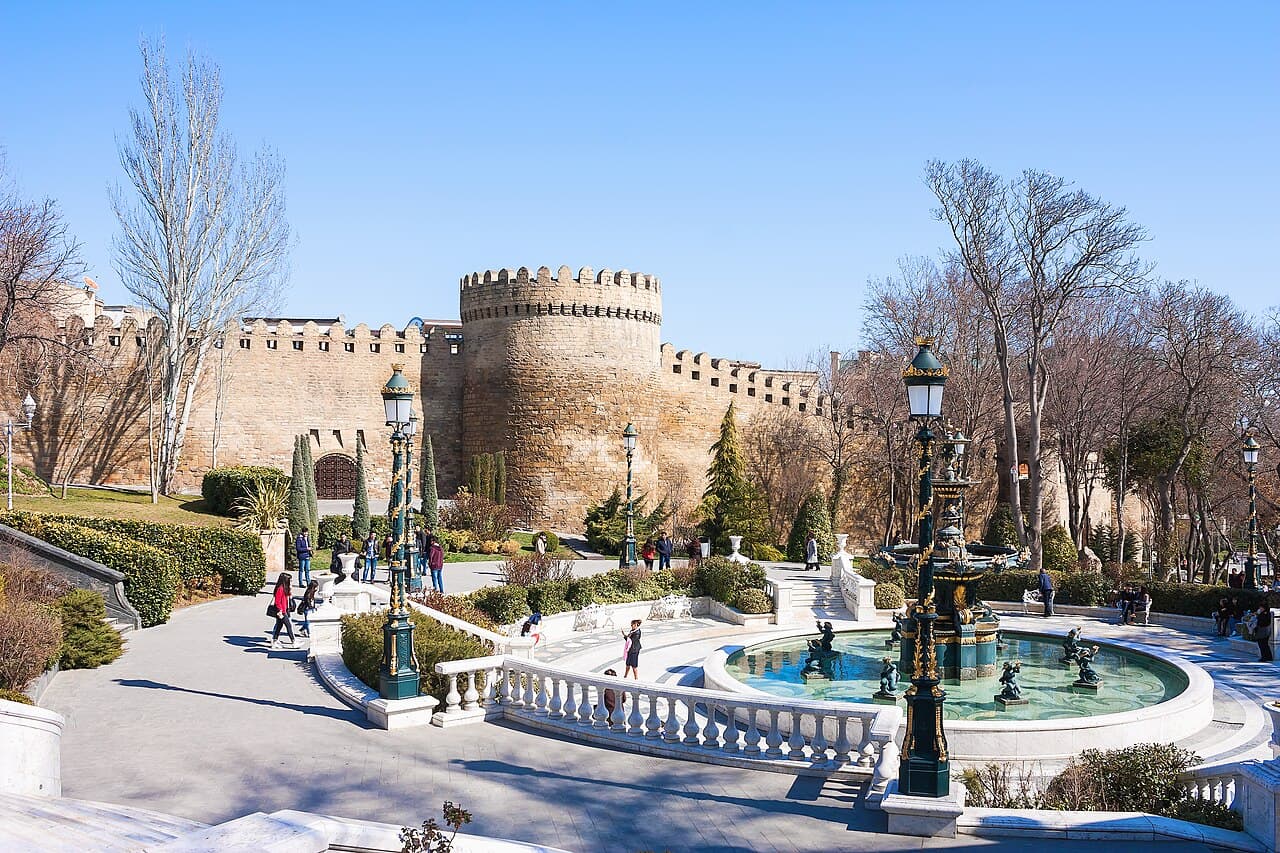
When evaluating a foreign real estate market, one simple but meaningful indicator often gets overlooked: how many foreigners have already chosen to live there long-term. A growing, relatively stable international community in Baku - multinational company employees, diplomats, entrepreneurs, and foreign families - is a sign that the city has already gone through much of the maturation process needed to make it a comfortable and lower-friction market for new foreign buyers.
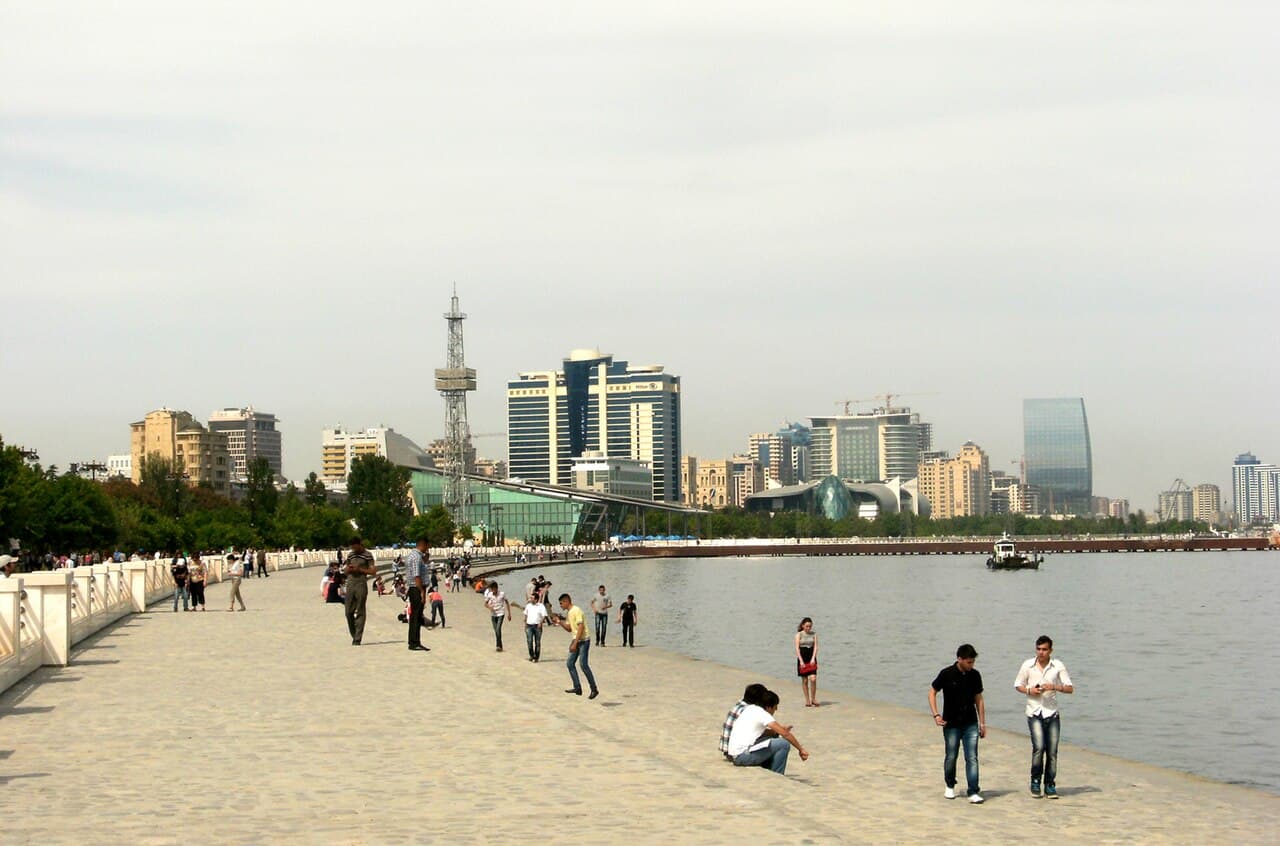
Why a Foreign Presence Is a Healthy Market Signal
A city with only a local population and no meaningful expat or migrant community often lacks the infrastructure foreigners rely on: English-speaking professionals, banking services suited to foreign clients, and real estate agents familiar with the specific needs of an overseas buyer. Baku, by contrast, has gradually built a more diverse international community - driven by global energy companies, international organizations, and tourism-related businesses - which forces services to adapt. That adaptation benefits any individual investor who arrives after the fact.
International Schools and Family-Ready Infrastructure
One of the clearest signs of market maturity for foreigners is the presence of international schools - institutions offering British, American, or International Baccalaureate (IB) curricula for the children of foreign families. Baku has several such schools, which makes the city a realistic option not just for a solo investor but for families considering relocating or spending part of the year there. For anyone weighing an investment in Baku as part of a future relocation plan, this matters as much as the financial numbers.
Foreign-Oriented Services as a Demand Driver
A growing foreign community also feeds indirect real estate demand: international restaurants, clinics with English-speaking staff, sports clubs, and community centers. Neighborhoods where foreign residents tend to concentrate - such as the historic Old City and the more modern districts around it - see relatively steady rental demand, both from temporary foreign workers and from tourists who prefer areas perceived as foreigner-friendly. This is another factor worth weighing when investing in Baku property: not just the purchase price, but the type of tenant a given location can attract.
What It Signals About Policy Stability Toward Foreigners
A growing international community rarely happens by accident - it usually reflects, at least in part, government policy that encourages openness to foreign business and residents. When a city invests in the infrastructure that attracts and retains a foreign population - work visas, business licensing, international schools - that's an indirect but relevant signal about the relative stability of the regulatory framework that also governs foreign property ownership.
Caveats Worth Keeping in Mind
- The foreign community is still relatively small: compared to major metropolitan hubs in Europe or the Gulf, Baku's expat population remains modest, so the range of foreigner-oriented services is still more limited than in more mature markets.
- Geographic concentration: infrastructure for foreigners is concentrated in specific parts of the city, so a property outside those areas doesn't necessarily benefit from the same advantages.
- Sector dependency: a significant share of the foreign community is tied to the energy sector, so fluctuations in that industry could affect the size of the expat population over time.
Bottom Line for Investors
A growing international community in Baku is an indirect but meaningful indicator that the market is maturing and adapting to foreign needs. For anyone evaluating an investment in Baku, it's worth factoring in alongside rental yield, entry prices, and the legal framework - not as a guarantee, but as one measure of how established the market has become.
Related Articles
- Does Buying Property in Baku Get You Residency? What Investors Should Know
- Investing in Baku: How a Lower Cost of Living Drives Housing Demand
- Baku's Tourism Boom: Another Driver Behind Real Estate Investment
- A European Buyer's Guide to Property in Azerbaijan
- A Russian Buyer's Guide to Property in Azerbaijan
 Real estate investing
The Israel-Azerbaijan-US Triangle in 2026
An AI memorandum, an American strategic charter and talks on a trilateral format. What is actually new here, what was already in place, and what it means for buyers
Read more →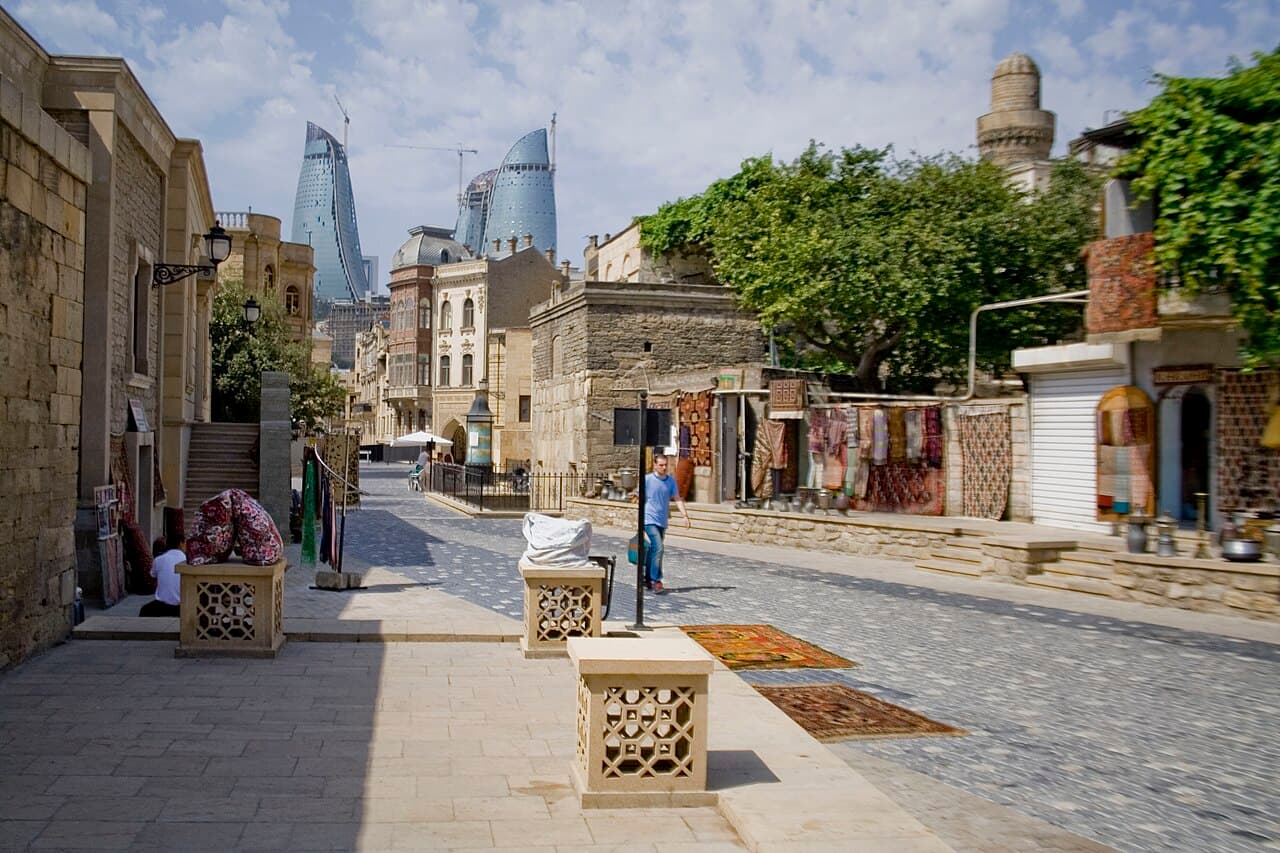 Real estate investing
How Dependent Is Azerbaijan's Economy on Oil, Really?
The non-oil sector reaches 75.8% of GDP in 2026, but that share is rising for two different reasons. The official figures, the IMF's view, and what it means for buyers
Read more → Real estate investing
The Armenia-Azerbaijan Peace Deal: Where It Stands
The agreement was initialed in August 2025 but remains unsigned. What was agreed, what is blocking signature, what the Armenian election changed, and what it means for owners
Read more →