Why Azerbaijan's Nationwide Tourism Expansion Is a Reason to Look Beyond Baku
Published on 2026-08-04 · 4 min read
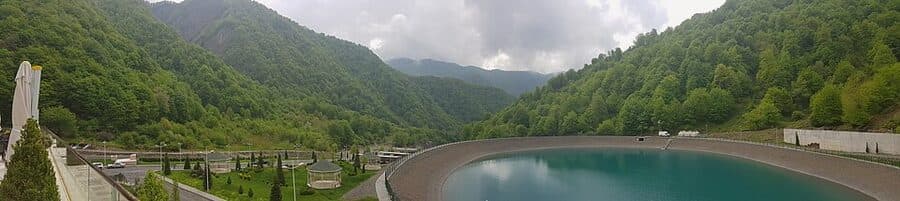
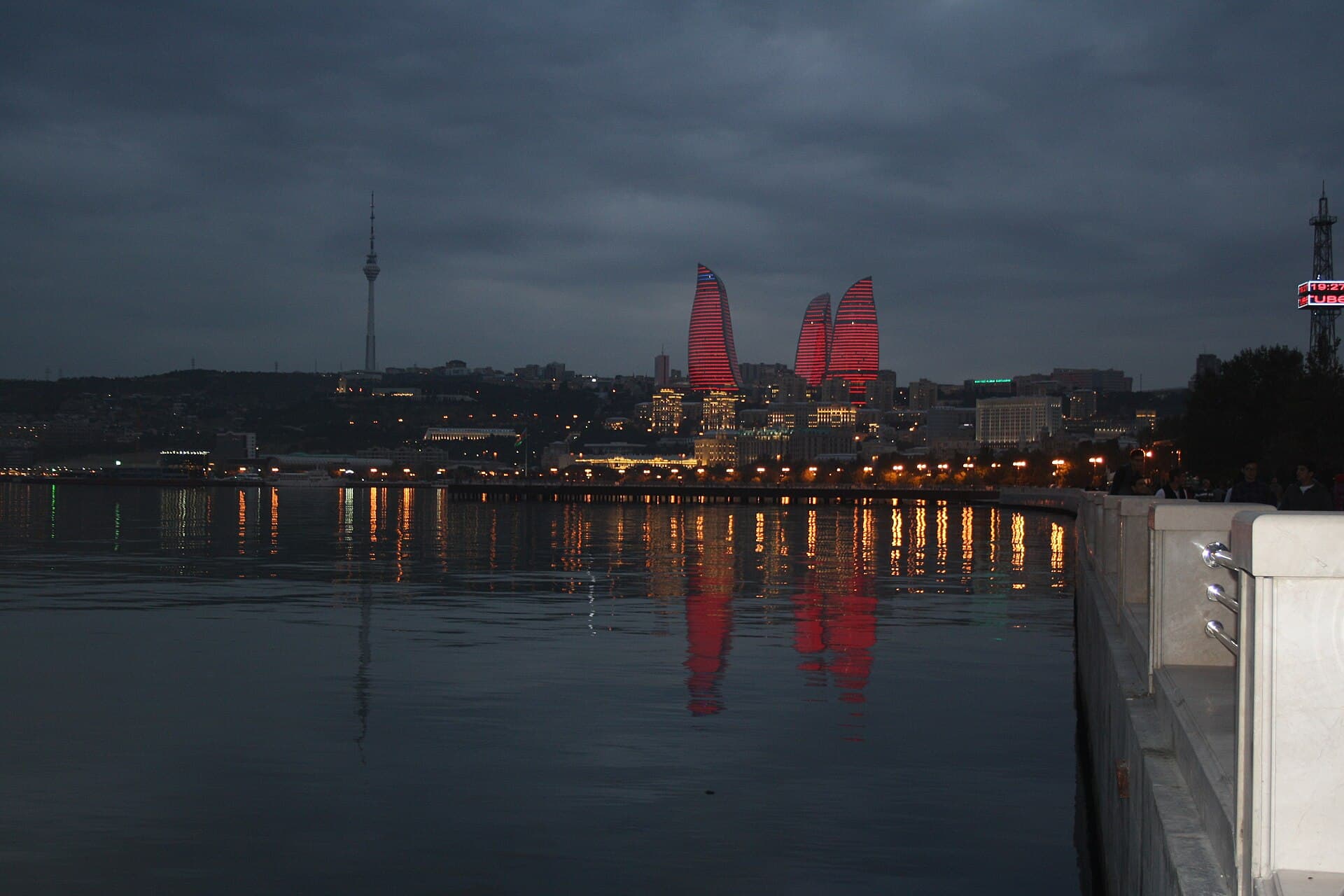
Much of the international conversation about property in Azerbaijan still centers on Baku - its skyline, its seafront, its apartment market. That focus makes sense given the capital's size and liquidity, but it also means a broader, slower-building story often gets less attention: a genuinely nationwide push to develop tourism outside the capital, spanning mountain resorts, nature regions, historic towns, and coastal areas along the Caspian. For investors thinking beyond a single city, this national tourism strategy is worth understanding as a distinct driver of regional real estate demand.
A Strategy Built Around Diversification
Azerbaijan's tourism authorities have pursued a deliberate strategy over roughly the past fifteen years to position the country as more than a single-city destination, and more than an oil-and-gas economy. Part of that strategy involves developing distinct regional tourism identities: winter sports in the mountains, nature and wildlife tourism in protected areas, cultural and heritage tourism around historic towns, and beach and wellness tourism along the coast. The logic mirrors what many countries with a dominant capital city attempt - spreading visitor spending, and eventually investment, across a wider geography rather than concentrating it entirely in one place.
This is a slower and less uniform process than headline tourism figures might suggest. Some regions have seen substantial, visible development; others remain at an earlier, more exploratory stage. Investors should treat this as a general national direction rather than a guarantee that every region will develop on the same timeline or to the same degree.
Mountain and Winter Tourism
The most visible example of this strategy is the development of ski resorts in the Greater Caucasus, particularly around Gabala and Shahdag. These areas have seen government-backed investment in lift infrastructure, hospitality, and connecting roads, aimed at building a domestic and regional winter sports market that didn't meaningfully exist a generation ago. The appeal for real estate is fairly direct: as a resort area builds a track record of consistent winter visitor numbers, demand tends to follow for chalets, serviced apartments, and hospitality-adjacent commercial space nearby. This is a longer-horizon, more seasonal investment case than a Baku apartment, and one that depends heavily on continued infrastructure investment and marketing to sustain visitor growth.
Historic and Cultural Tourism
Sheki, in the foothills of the Caucasus, represents a different strand of this strategy - built around its Silk Road history, its UNESCO-listed historic center, and its distinct architecture rather than outdoor sports. Towns like this attract a different kind of visitor: cultural travelers and heritage tourists rather than skiers or beachgoers, generally on shorter, more concentrated visits. The real estate implications here tend to center on boutique hospitality and guesthouse conversions of historic buildings rather than large-scale new development, given the practical and regulatory constraints of building near protected heritage sites.
Eco-Tourism and Coastal Regions
Elsewhere, Azerbaijan has promoted eco-tourism around protected natural areas and nature reserves, and coastal development along stretches of the Caspian outside the capital, aimed at travelers seeking a quieter alternative to Baku's seafront. These regions are, on the whole, at an earlier stage of tourism infrastructure than the ski resorts or Baku itself, which means the investment case is more speculative and requires closer attention to actual visitor trends rather than stated ambitions.
What This Means for Real Estate Investors
The practical takeaway is that Azerbaijan's tourism growth story is not a single, uniform narrative - it's a set of distinct regional stories moving at different speeds, each with its own visitor profile, infrastructure maturity, and real estate implications. Investors interested in this angle should resist the temptation to treat "Azerbaijan tourism" as one undifferentiated opportunity, and instead evaluate each region on its own terms: what kind of visitor it's attracting, how established its access and infrastructure already are, and how much of its growth is realized versus still aspirational.
Risks and a Note on Realistic Expectations
Regional tourism development depends on sustained public investment, marketing, and accessibility - all of which can slow or stall if government priorities shift or funding is redirected elsewhere. Visitor numbers in newer destinations are also harder to verify with precision than in an established market like Baku, so it's worth treating any specific growth figures for these regions as illustrative rather than as a firm basis for financial projections. Property in these areas also tends to carry more liquidity risk than in the capital, since the pool of buyers and comparable transactions is smaller.
Bottom Line for Investors
Azerbaijan's push to expand tourism nationwide, from Gabala's ski slopes to Sheki's historic streets to quieter stretches of Caspian coastline, represents a genuine, if uneven, broadening of the country's real estate investment case beyond central Baku. For investors comfortable with a longer horizon, more seasonal dynamics, and a smaller pool of comparable properties, these regions offer a way to participate in Azerbaijan's tourism growth story directly - provided expectations are calibrated region by region rather than borrowed from Baku's more mature market.
Related Articles
- Baku's Tourism Boom: Another Driver Behind Real Estate Investment
- Why Invest in Azerbaijan: A Comparatively Stable Base in the Caucasus
- Why Invest in Azerbaijan: Renewable Energy and Agriculture as New Growth Engines
- Gabala: Azerbaijan's Mountain Resort Town Comes Into Its Own
- Sheki: Azerbaijan's UNESCO Mountain City
Real estate investingThe Israel-Azerbaijan-US Triangle in 2026
An AI memorandum, an American strategic charter and talks on a trilateral format. What is actually new here, what was already in place, and what it means for buyers
Read more → Real estate investing
How Dependent Is Azerbaijan's Economy on Oil, Really?
The non-oil sector reaches 75.8% of GDP in 2026, but that share is rising for two different reasons. The official figures, the IMF's view, and what it means for buyers
Read more → Real estate investing
The Armenia-Azerbaijan Peace Deal: Where It Stands
The agreement was initialed in August 2025 but remains unsigned. What was agreed, what is blocking signature, what the Armenian election changed, and what it means for owners
Read more →