Zabrat: Baku's Oil-Field Heritage Neighborhood
Published on 2026-08-05 · 4 min read
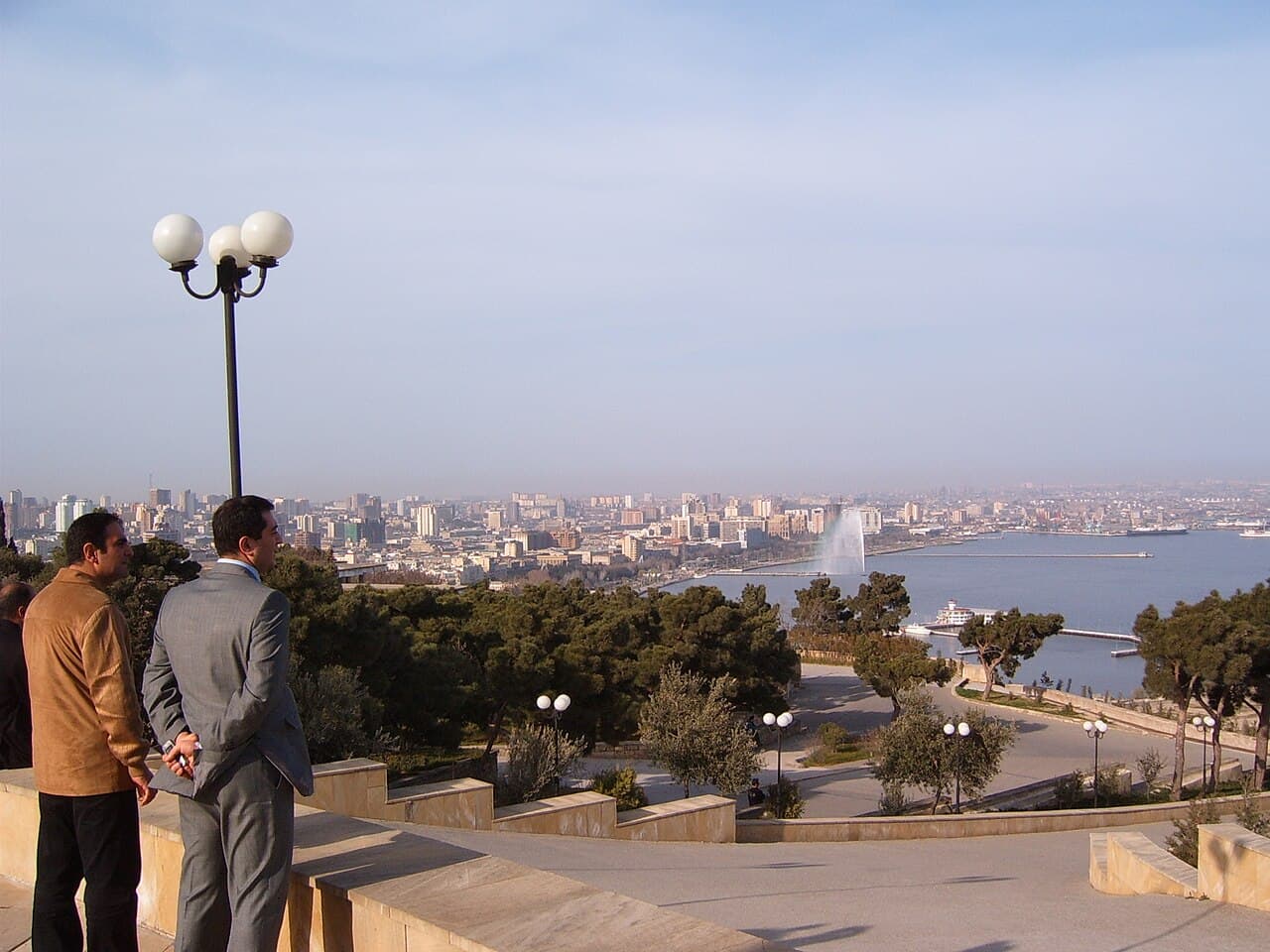
Not every Absheron settlement grew up around the beach. Zabrat, on the eastern side of the peninsula within Baku's Sabunchu district, traces its identity to a very different source: oil. It was one of the fields that powered Baku's rise as a global oil center in the late 19th and early 20th centuries, and that history still shapes the neighborhood's character, distinguishing it sharply from the resort towns along the Caspian coast.
Roots in the Oil Boom
Zabrat emerged as a working settlement tied to the Zabrat oil field, part of the broader cluster of Absheron fields — alongside Sabunchi, Balakhany, and Ramana — that made the peninsula one of the world's most productive oil regions by the early 1900s. Wells and derricks spread across the area during this period, and the settlement grew largely to house the workers and infrastructure that supported extraction. Unlike the dacha towns further along the coast, which developed around leisure and summer housing, Zabrat's early growth was industrial and functional, shaped by the rhythms of the oil economy rather than the tourist season.
Landscape and Legacy
Decades of drilling left a visible imprint on Zabrat's landscape. Older parts of the settlement still carry traces of that industrial past — disused wellheads, pipeline corridors, and patches of land altered by extraction activity are part of the area's backdrop in a way that has no equivalent in the beach towns to the north. Some oil and gas infrastructure in the wider Sabunchu district remains active or partially active, meaning Zabrat's identity as an oil-heritage area is not purely historical; extraction-related land use continues to coexist with residential streets in parts of the district. This gives Zabrat a more industrial, workaday feel than the pine-shaded coastal settlements, closer in spirit to Baku's other historic oil districts like Balakhany or Ramana.
A Residential District Today
Despite its industrial roots, Zabrat today is primarily residential. Housing includes a mix of Soviet-era apartment blocks and low-rise private houses, typical of the broader Sabunchu district, with less of the garden-plot, dacha-style housing found in the coastal Absheron towns. The population here tends to be more permanent and year-round than in the seasonal resort settlements, since Zabrat's growth was never built around summer tourism. Local infrastructure — schools, shops, and transit connections into central Baku and the rest of Sabunchu — reflects its status as an established, working residential district rather than a leisure destination.
Location and Connections
Zabrat sits within Sabunchu, one of Baku's administrative districts covering much of the peninsula's eastern and northeastern reaches, an area historically dense with oil settlements. It is inland relative to the Caspian coastal towns, without direct beach access, and its development has followed the road and rail corridors that historically served the oil fields rather than a coastal route. Its position places it within Baku's broader urban and industrial fabric rather than the resort belt, making it more of an extension of the city's built-up area than a seasonal getaway.
How Zabrat Differs from the Beach Towns
The contrast with Absheron's resort settlements is the clearest way to understand Zabrat. Towns like Bilgah, Buzovna, and Mardakan grew around sand, sea, and summer housing, with a seasonal population and a leisure-oriented economy. Zabrat's identity instead comes from extraction and labor — a settlement built to support an industry rather than a retreat from the city. That distinction carries through to its housing stock, its land use, and its rhythm: Zabrat does not empty out in winter the way dacha towns do, because its population was never primarily seasonal to begin with.
Who It Suits
Zabrat is unlikely to appeal to buyers specifically seeking a beach lifestyle or dacha-style garden living — for that, the coastal Absheron towns remain the more obvious choice. It suits those interested in a more affordable, established residential area with year-round infrastructure and closer ties to Baku's working city fabric, as well as anyone drawn to the peninsula's industrial heritage as part of the wider story of Baku's oil-driven growth. Buyers should factor in the area's industrial backdrop and generally more utilitarian streetscape compared with the manicured pine groves of the resort towns.
Takeaway
Zabrat is a reminder that the Absheron Peninsula's story is not only one of beaches and dachas. As a settlement forged by Baku's oil boom, it carries a distinct residential and industrial character — less scenic than the coastal resorts, but tied more directly to the history that built the city itself.
Anyone weighing a purchase in this area can set it against other districts of Baku in the neighbourhood comparison tool.
 Neighborhoods & areas
Baku Nightlife and Entertainment: An Investor's Guide
Baku's entertainment, restaurant and club scene by district — where activity concentrates, how it affects property values and what it means for choosing a neighbourhood
Read more → Neighborhoods & areas
Görədil: A Smaller Absheron Settlement
What is known about Görədil (Goradil), a lower-profile settlement on the Absheron Peninsula, and how it fits the peninsula's broader rural and agricultural pattern
Read more →Neighborhoods & areasMardakan: Baku's Historic Dacha Town on the Absheron Peninsula
Garden estates, orchards and a centuries-old fortress tower - inside Mardakan, one of the Absheron Peninsula's oldest and most established summer retreats
Read more →