Baku vs Almaty and Tashkent: Central Asian Markets
Published on 2026-09-08 · 4 min read
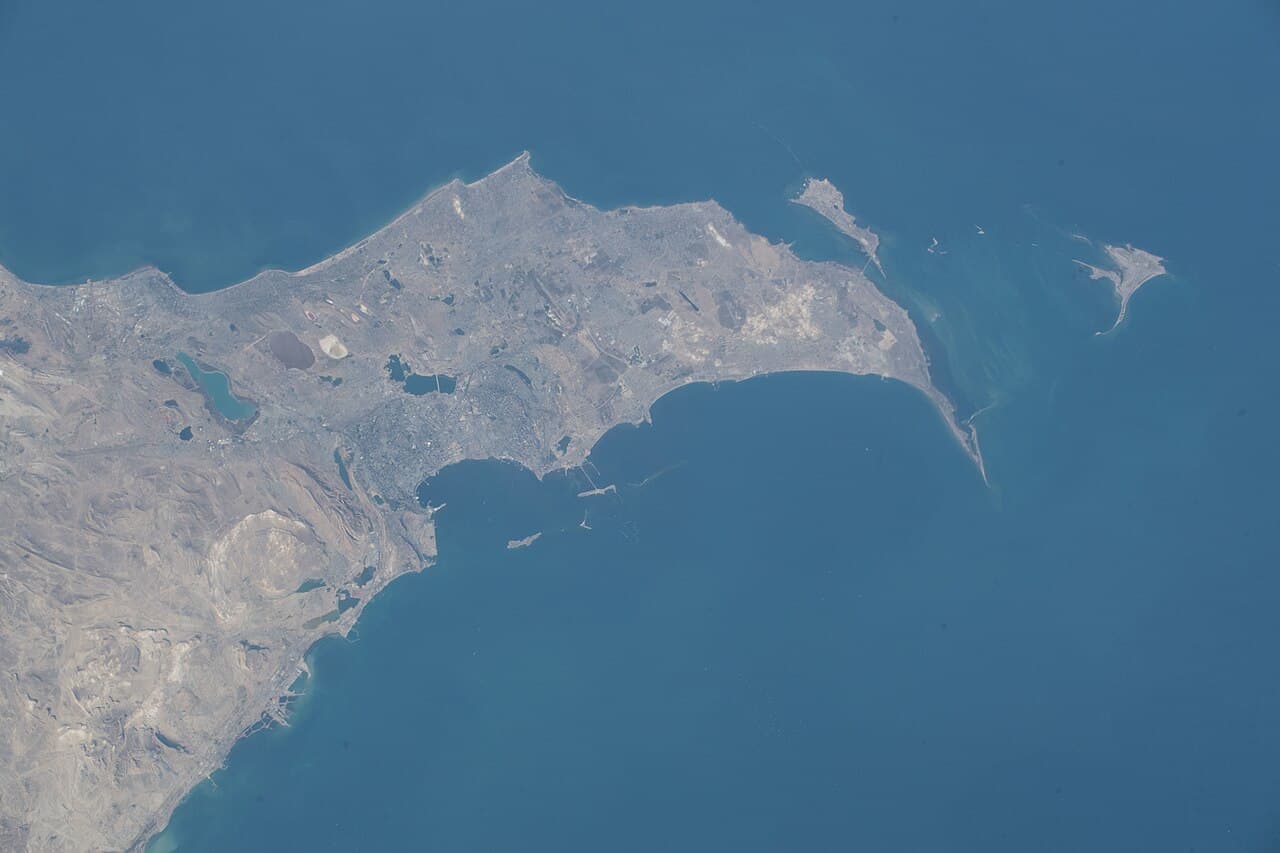
In recent years, new Central Asian markets have entered the investment conversation: Almaty in Kazakhstan and Tashkent in Uzbekistan. Both offer particularly low entry prices and a compelling growth story. Baku, sitting at the western edge of the same corridor and linked to it by the trade route crossing the Caspian, is sometimes presented as part of the same category. In practice, the differences are substantial.
Accessibility: The Difference That Decides in Practice
This is a practical consideration investors tend to underweight until they need to reach the property. Baku is connected by direct flights to a large number of destinations in Europe, Türkiye, the Gulf and Asia, and flight time from most European hubs is relatively short.
Almaty and Tashkent are considerably further from Western Europe and the Middle East, with fewer direct flights and often a connection. For an investor who wants to visit the property, meet a developer or oversee construction, the difference in travel time and cost accumulates. We expanded on this in direct flights and connectivity as an advantage of investing in Baku.
Entry Prices and Yields
Tashkent offers the lowest entry prices of the three, sometimes by a substantial margin. Almaty is more expensive than Tashkent but still low relative to Western markets. Baku sits around 1,050 US dollars per square metre off-plan and 1,600 dollars for completed stock.
Gross yields in all three markets sit in a relatively similar range — around 6% to 9%. But that figure misleads when it ignores local currency volatility and the cost of converting and repatriating money.
Currency Risk: The Critical Point
The Kazakhstani tenge and the Uzbek som have both experienced significant volatility over the years. Both currencies are sensitive to commodity prices and regional swings. The Azerbaijani manat is managed relatively tightly and supported by substantial foreign currency reserves.
For a foreign investor, this may be the single most important difference. An 8% yield in a currency that depreciates 15% is a negative return. We expanded on this in manat stability and what it means for property investors.
Repatriating Money
This is a subject marketing almost never raises, and it is critical. In any emerging market you must establish in advance how rental income and sale proceeds are moved out: what currency controls exist, what documentation is required, and how long it takes.
In Azerbaijan, the banking system is relatively open to foreign activity and account opening is possible for non-residents under defined conditions. We expanded on this in opening a bank account in Azerbaijan as a foreigner and banking sector stability for foreign investors. In Central Asian markets, the subject deserves thorough investigation with a local adviser before any commitment.
Market Depth and Liquidity
Almaty is Kazakhstan's largest city, and Tashkent is Uzbekistan's capital with a large population. In population terms, neither market is small.
But population size is not the same as investment market depth. What matters is the number of buyers able and willing to purchase at market prices, and the transparency of transaction data. In all three markets transparency is lower than Western norms, and in all three you must verify actual transaction prices rather than developer price lists alone.
Tourism and Events
Baku has built an international city brand around major events — the Formula 1 Grand Prix, festivals, conferences and sporting events. This generates tourism demand spread across many seasons and supports the short-let market. We expanded on this in international events and Baku's global city brand.
Almaty offers seasonal ski and nature tourism, and Tashkent historical and cultural tourism at an earlier stage of development. Both are developing their tourism sectors, but from a lower starting point in international brand terms.
So Which Is Better?
Tashkent and Almaty suit the speculative investor with a particularly small budget, a very long horizon, a willingness to take high currency and regulatory risk, and the ability to manage an investment remotely without frequent visits.
Baku suits the investor seeking a balance between a low entry price and accessibility, relative currency stability and a more open financial system — even if the entry price is higher than Tashkent.
Summary
All three are emerging markets with a high risk profile, and none is suitable as a core portfolio holding. The main difference between Baku and Almaty or Tashkent is not price but accessibility, currency stability and ease of repatriating capital. These factors affect realised returns far more than a few hundred dollars per square metre. In any case, independent due diligence and local professional support are a precondition.
Related Articles
 Real estate investing
The Israel-Azerbaijan-US Triangle in 2026
An AI memorandum, an American strategic charter and talks on a trilateral format. What is actually new here, what was already in place, and what it means for buyers
Read more → Real estate investing
How Dependent Is Azerbaijan's Economy on Oil, Really?
The non-oil sector reaches 75.8% of GDP in 2026, but that share is rising for two different reasons. The official figures, the IMF's view, and what it means for buyers
Read more → Real estate investing
The Armenia-Azerbaijan Peace Deal: Where It Stands
The agreement was initialed in August 2025 but remains unsigned. What was agreed, what is blocking signature, what the Armenian election changed, and what it means for owners
Read more →