Baku vs Tbilisi and Batumi: Comparing Caucasus Markets
Published on 2026-09-08 · 4 min read
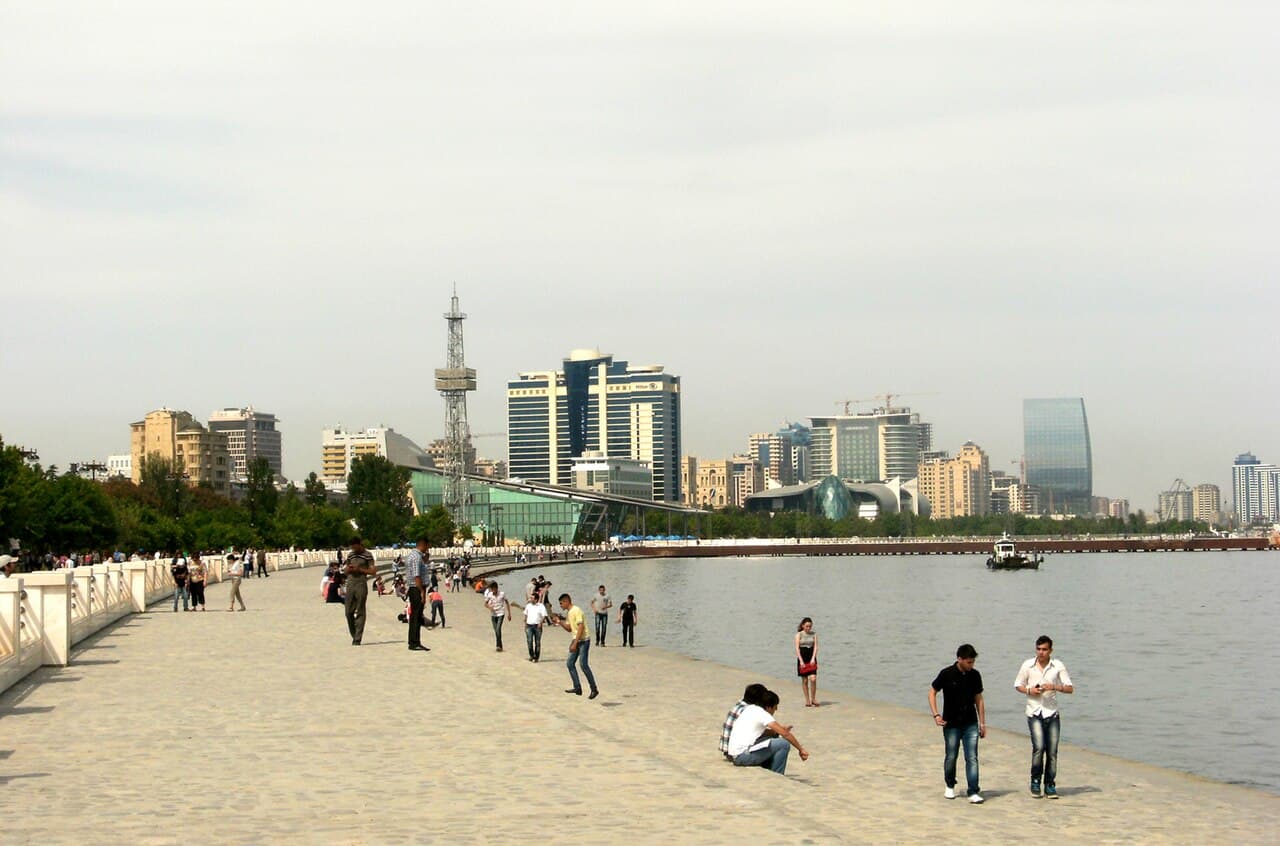
In the conversation about Caucasus real estate, Georgia arrived first. Tbilisi and Batumi have been on the map for years, with a large project pipeline and intensive marketing. Baku joined later. For an investor assessing the region, the comparison between the two markets is not merely a question of price — it is a question of two fundamentally different economic models.
Two Different Economic Models
Georgia built its appeal on extremely liberal regulation: almost no restrictions on foreign ownership, exceptionally fast registration processes, and an unusually open visa policy. That made it a highly accessible market — but also one that leans heavily on speculative foreign demand.
Azerbaijan operates on different logic. The economy is larger, backed by energy revenues and a deliberate diversification programme towards the non-oil sector, which now accounts for roughly three quarters of GDP. Baku's property market rests mainly on genuine domestic demand rather than overseas investors. That distinction matters: a market underpinned by local demand is less volatile when foreign investment flows stall.
Prices: The Gap Is Narrower Than It Appears
In Batumi, entry prices in new coastal projects typically run between 800 and 1,300 US dollars per square metre. In Tbilisi, central districts price higher. In Baku, off-plan sits around 1,050 dollars per square metre and completed stock around 1,600 dollars per square metre.
At first glance Georgia looks cheaper. But the right comparison is not price per square metre — it is price per unit of income. In Batumi, a substantial share of supply consists of very small units aimed at seasonal tourism, with low annual occupancy. In Baku, supply is oriented more towards year-round residential letting with a permanent tenant. The full pricing picture appears in price per square metre in Baku by district.
Seasonality: Batumi's Weakness
This is the most important point in the comparison. Batumi is a Black Sea resort city with an effective season of roughly three to four months. Outside that window, occupancy rates fall dramatically. An investor shown a yield calculated on summer months alone may find the true annual yield is far lower.
Baku functions differently. It is a capital city with a year-round economy, a working population, students, an international business community, and tourism spread across more months thanks to events such as the Formula 1 Grand Prix, festivals and international conferences. Baku has seasonality too, but it is far more moderate. We expanded on this in the seasonal calendar of Baku tourism and rental demand.
Regulation and Foreign Ownership
Georgia is more accessible. Registration is fast, restrictions are minimal, and the process is simple. In Azerbaijan, apartment purchase by a foreign national is possible but the process is more structured and requires understanding the local system, particularly around land registration.
Georgia's advantage here is real, but it has a flip side: ease of entry also means ease of exit, and a market anyone can enter quickly is more exposed to waves of selling. We detailed the process in the guide to buying property in Azerbaijan as a foreigner.
Currency Risk
The Georgian lari has seen significant volatility over the years. The Azerbaijani manat is managed relatively tightly and is supported by substantial foreign currency reserves accumulated from energy revenues. That does not mean there is no risk — one major devaluation has occurred in the past — but the risk profile differs.
For an investor whose income is denominated in local currency while the investment is measured in dollars or another home currency, this is a central consideration. We expanded on it in manat stability and what it means for property investors.
Market Size and Demand Depth
Baku is a city of more than two million people across its metropolitan area, capital of a country of roughly ten million. Tbilisi is smaller, and Batumi is a city of only around one hundred and fifty thousand residents. Local market size directly affects liquidity: how many potential buyers exist when you want to sell.
That does not make Batumi a poor investment — it makes it a tourism-dependent investment with a narrow buyer pool, which raises exit-strategy risk.
So Which Is Better?
Georgia suits the investor seeking the fastest and simplest possible entry, working with a particularly small budget, and comfortable with a seasonal tourism income model.
Baku suits the investor seeking a larger market with genuine domestic demand, more stable year-round income, and an economy underpinned by an industrial and energy base — in exchange for a slightly more involved purchase process.
Summary
Tbilisi, Batumi and Baku are not the same kind of investment. Georgia offers accessibility and a low price point; Baku offers a deeper market with real local demand and less dependence on seasonal tourism. Both are emerging markets carrying genuine risk, and in both the yields quoted in marketing are usually higher than yields achieved in practice. Independent due diligence and local advice are a requirement, not a recommendation.
Related Articles
 Real estate investing
The Israel-Azerbaijan-US Triangle in 2026
An AI memorandum, an American strategic charter and talks on a trilateral format. What is actually new here, what was already in place, and what it means for buyers
Read more → Real estate investing
How Dependent Is Azerbaijan's Economy on Oil, Really?
The non-oil sector reaches 75.8% of GDP in 2026, but that share is rising for two different reasons. The official figures, the IMF's view, and what it means for buyers
Read more → Real estate investing
The Armenia-Azerbaijan Peace Deal: Where It Stands
The agreement was initialed in August 2025 but remains unsigned. What was agreed, what is blocking signature, what the Armenian election changed, and what it means for owners
Read more →