Baku vs Yerevan: Comparing South Caucasus Markets
Published on 2026-09-08 · 4 min read
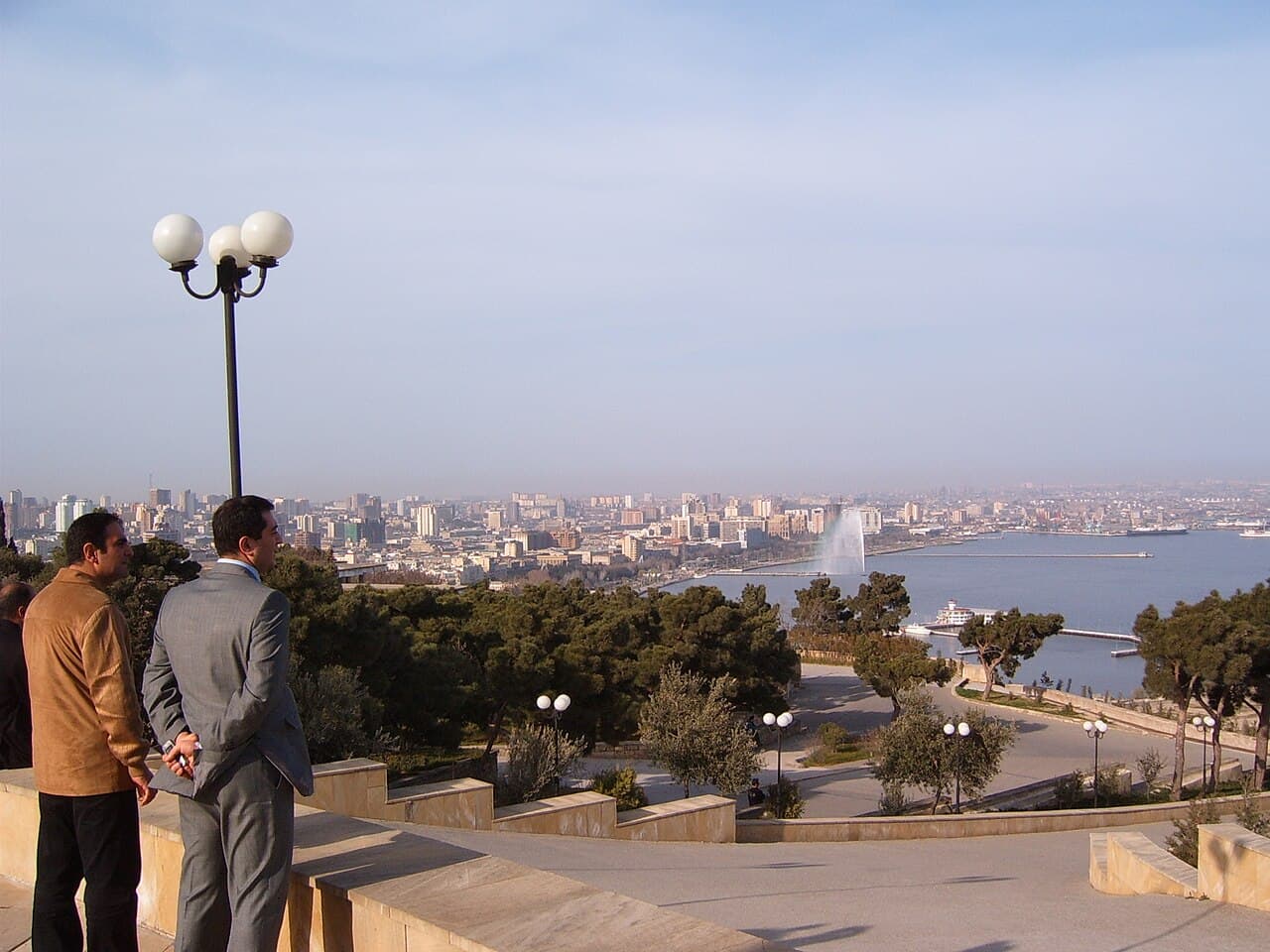
The South Caucasus contains three capitals that have entered the radar of foreign property investors: Baku, Tbilisi and Yerevan. Yerevan received a sharp boost following a significant wave of migration that arrived there, rapidly pushing up housing and rental prices. Examining the two markets side by side teaches a great deal about the difference between structural demand and temporary demand.
Sources of Demand: The Fundamental Difference
This is the most important point. Demand in Yerevan's housing market was dramatically affected by a large migration wave that arrived over a short period. The result was a sharp jump in rental and sale prices within a handful of months.
The problem with demand of that kind is that it is not necessarily permanent. A population that arrived because of external circumstances may leave when those circumstances change, and demand then contracts as fast as it grew. An investor entering at the peak of such a wave is exposed to a meaningful correction.
In Baku, demand rests mainly on structural factors: natural population growth, continued urbanisation, a diversified economy in which the non-oil sector accounts for roughly three quarters of GDP, and tourism that grows gradually. That is slower demand, but steadier.
Economy Size and Market Depth
Azerbaijan is a country of roughly ten million people with a substantially larger GDP, backed by energy revenues and foreign currency reserves. Armenia is smaller — around three million people — with a smaller economy and higher dependence on foreign trade and diaspora remittances.
Market depth directly affects liquidity. Baku, a city of more than two million in the capital of a larger country, offers a considerably broader buyer pool than Yerevan. We detailed this in exit strategy: how to sell a property in Baku.
Prices and Yields
In Yerevan, central prices rose rapidly and yields fell accordingly — when property prices climb faster than rents, yield erodes. In central districts, yields have recently sat in a middling range.
In Baku, price per square metre sits around 1,050 US dollars off-plan and 1,600 dollars for completed stock, with an accepted gross yield range of 6% to 8%. Full data is in price per square metre in Baku by district.
Currency Risk
The Armenian dram has experienced significant volatility, influenced partly by sharp external capital flows. The Azerbaijani manat is managed relatively tightly and supported by foreign currency reserves accumulated from energy revenues.
For an investor whose income is denominated in local currency, currency stability is not a technical detail but a central determinant of realised yield. We expanded on this in manat stability and what it means for property investors.
Infrastructure and Development Plans
Baku has a long-term urban master plan accompanied by significant infrastructure investment — metro expansion, airport upgrades, coastal projects and suburban development. Infrastructure is a well-established driver of property appreciation over time. We expanded on this in Baku's long-term urban master plan.
In Yerevan, development is more concentrated in the city centre, with a correspondingly smaller scale of infrastructure investment relative to economy size.
Accessibility and Transport
Baku is connected by direct flights to a large number of destinations in Europe, the Gulf, Türkiye and Asia, and serves as a junction on the trade route between Asia and Europe. Accessibility directly affects tourism, business demand and an investor's ability to reach the property. We expanded on this in direct flights and connectivity as an advantage of investing in Baku.
Practical Considerations
One point deserves honesty: Azerbaijan maintains close diplomatic and economic relations with a number of countries whose investors are active in the market, including direct flight links and meaningful trade ties. For an investor, considerations of accessibility, legal support and consular support are practical rather than theoretical, and differ by nationality. We expanded on this in Israel-Azerbaijan relations and economic ties.
Summary
Yerevan and Baku are two South Caucasus markets with very different risk profiles. Yerevan experienced a sharp rise driven mainly by an external demand wave — which creates both an opportunity and a correction risk. Baku offers a larger market, with steadier structural demand and a managed currency, but also slower growth. Both are emerging markets carrying genuine risk, and both require independent due diligence and local support before any commitment.
Related Articles
 Real estate investing
The Israel-Azerbaijan-US Triangle in 2026
An AI memorandum, an American strategic charter and talks on a trilateral format. What is actually new here, what was already in place, and what it means for buyers
Read more → Real estate investing
How Dependent Is Azerbaijan's Economy on Oil, Really?
The non-oil sector reaches 75.8% of GDP in 2026, but that share is rising for two different reasons. The official figures, the IMF's view, and what it means for buyers
Read more →Real estate investingThe Armenia-Azerbaijan Peace Deal: Where It Stands
The agreement was initialed in August 2025 but remains unsigned. What was agreed, what is blocking signature, what the Armenian election changed, and what it means for owners
Read more →