Binagadi District: Northern Baku's Fossil Site and Affordable Housing
Published on 2026-08-02 · 3 min read
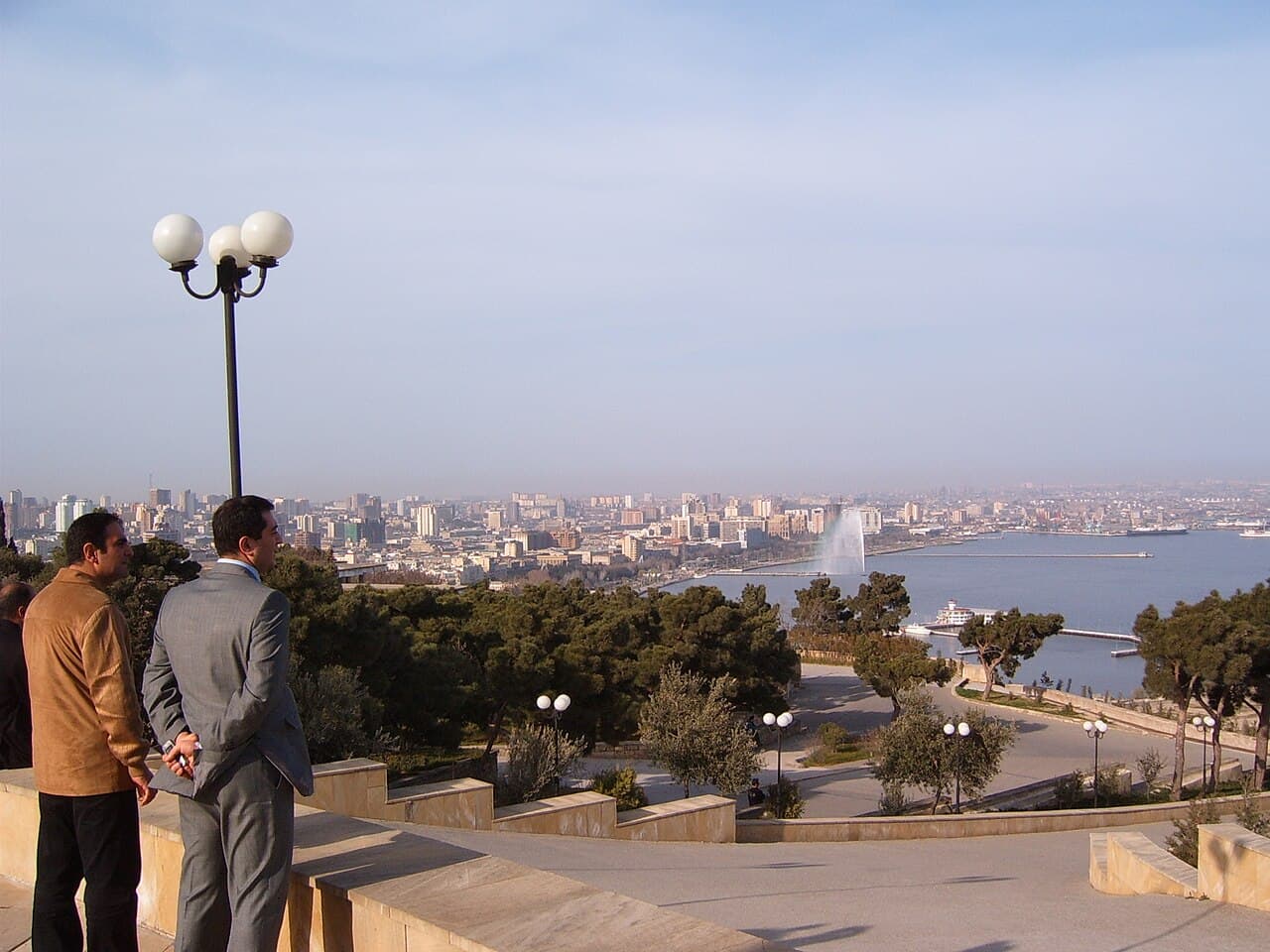
Binagadi sits in the northern reaches of Baku, well away from the seafront glamour of the city center, and it is best known nationally for something unrelated to real estate: one of the world's most significant Quaternary-period fossil sites. For residents and buyers, though, Binagadi is a working district — a mix of aging residential blocks, newer housing developments, and light industry that offers some of the more accessible housing prices within Baku's city limits.
The Binagadi Asphalt Seep
The district's scientific claim to fame is the Binagadi asphalt lake, a natural bitumen seep where, over tens of thousands of years, animals became trapped in tar in a process comparable to the La Brea Tar Pits in Los Angeles. Excavations at the site since the early 20th century have yielded thousands of fossilized remains — mammoths, bison, wolves, birds, insects, and plant material — from the late Pleistocene era, making it one of the richest Ice Age fossil deposits in the Caucasus and Central Asia. A museum near the site displays finds from the excavations, and the seep itself remains a point of interest for geologists and paleontologists studying the region's prehistoric fauna, though it draws far fewer visitors than Baku's central attractions.
A Residential and Semi-Industrial District
Away from the fossil site, Binagadi's character is shaped by its role as one of Baku's outer residential districts. The area contains a mix of Soviet-era apartment blocks, newer mid-rise residential construction, private houses, and pockets of light industrial and commercial activity. It lacks the dense commercial core of central districts like Sabail or Yasamal, and daily life here revolves more around local markets, neighborhood shops, and family housing than around tourism or business districts.
Housing and Affordability
Binagadi is generally regarded as one of the more budget-friendly districts within Baku proper, particularly compared to the city center and the boulevard-adjacent neighborhoods. Older apartment stock from the Soviet period is common and tends to be priced well below equivalent units in Sabail, Nasimi, or Yasamal, while newer residential developments on the district's periphery offer modern construction at prices still generally lower than comparable projects closer to the sea. This affordability makes Binagadi a common choice for local families and first-time buyers rather than the international investors and short-term rental operators more concentrated in the city center.
Oil History in the Landscape
Like much of Baku's northern and eastern periphery, Binagadi's landscape carries the marks of the region's long oil and gas extraction history. Historic and, in places, still-active extraction infrastructure dots parts of the district and its surroundings, a reminder that the Absheron Peninsula's petroleum geology — the same geology responsible for the asphalt seep's tar — has shaped both the district's economy and its terrain for well over a century.
Transport and Connectivity
Binagadi is connected to central Baku primarily by road, and commuting times to the city center are longer than from more central districts. The district is served by bus routes linking it to the wider city network, and its distance from the metro system's central stations means residents typically rely on buses or private transport for daily commuting. This peripheral position is part of what keeps housing costs down, but it is a genuine trade-off for anyone weighing proximity to central Baku's business and cultural amenities.
Who It Suits
Binagadi tends to appeal to buyers and renters prioritizing affordability and space over central location — local families, those seeking private houses rather than apartments, and buyers willing to trade a longer commute for lower housing costs. It is less suited to those wanting walkable access to the boulevard, government quarter, or central business districts, and it sees relatively little of the short-term tourist rental activity found in Sabail or Nasimi.
Takeaway
Binagadi is not a district most visitors to Baku will encounter, but it plays a real role in the city's housing market as an accessible, family-oriented alternative to the center, layered on top of a genuinely significant piece of the region's natural history. For buyers focused on value and willing to commute, it remains one of the more approachable entry points into Baku's residential market.
 Neighborhoods & areas
Baku Nightlife and Entertainment: An Investor's Guide
Baku's entertainment, restaurant and club scene by district — where activity concentrates, how it affects property values and what it means for choosing a neighbourhood
Read more →Neighborhoods & areasZabrat: Baku's Oil-Field Heritage Neighborhood
Inside Zabrat, an Absheron settlement built on Baku's early oil boom, now a residential district in Sabunchu with an industrial past still visible in its landscape
Read more →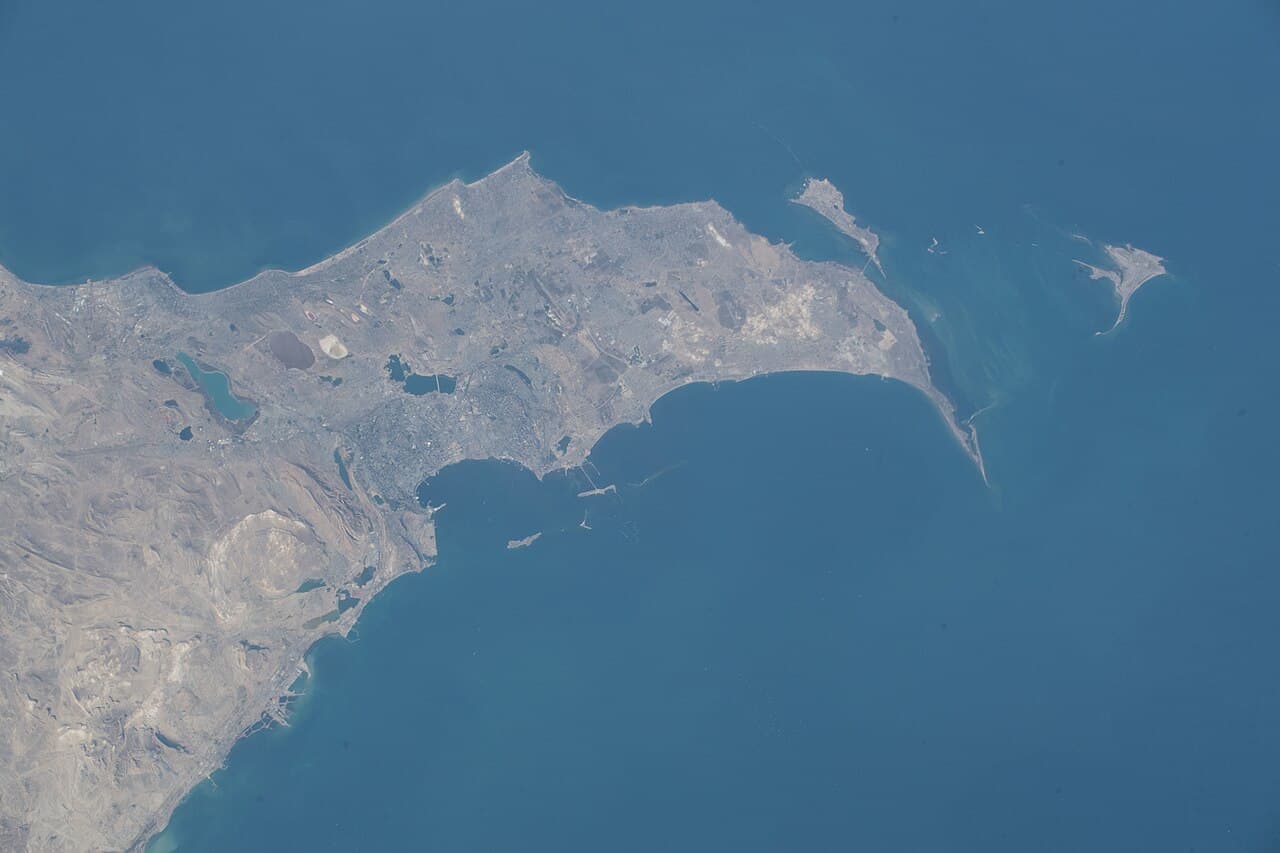 Neighborhoods & areas
Görədil: A Smaller Absheron Settlement
What is known about Görədil (Goradil), a lower-profile settlement on the Absheron Peninsula, and how it fits the peninsula's broader rural and agricultural pattern
Read more →