Qaradagh: Inside Baku's Southern Industrial District
Published on 2026-08-02 · 4 min read
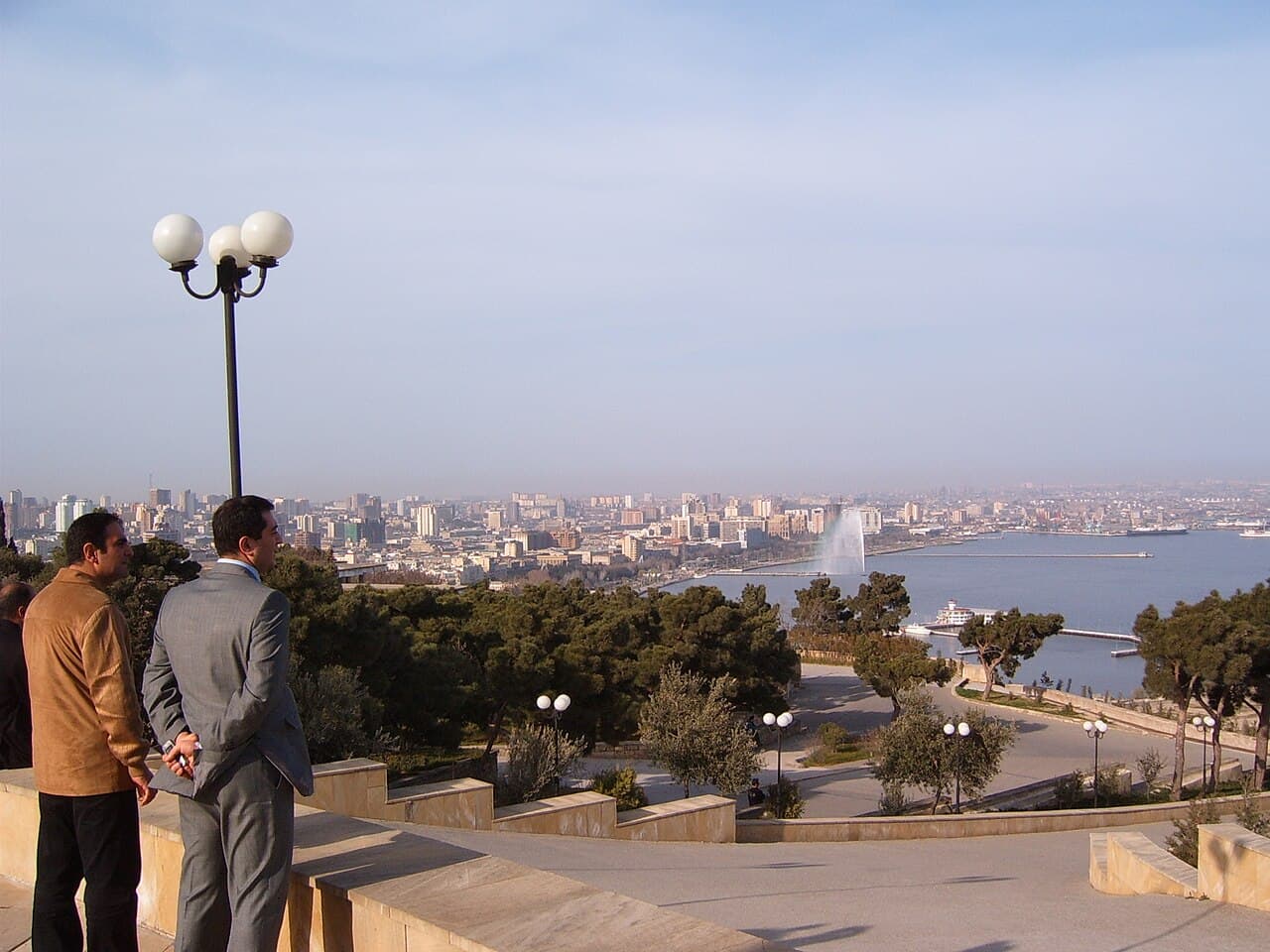
South of central Baku, past the last apartment towers and along the coastal road toward Alat, lies Qaradagh — one of the twelve administrative raions of Baku city and by far its most industrial. Where the Absheron towns to the north are defined by beaches and dacha gardens, Qaradagh is defined by cement plants, quarries, and pipeline infrastructure. It is not a district most visitors ever see, but it is a significant piece of Baku's working economy and housing market.
An Industrial Identity
Qaradagh's character was set in the early twentieth century, when limestone deposits in the area made it a natural site for cement production. The Garadagh Cement Plant, one of the oldest industrial enterprises in Azerbaijan, has operated in the district since the Soviet period and remains a dominant employer and visual landmark, with its quarries and processing facilities visible from the coastal highway. Around the cement works, a belt of related industry — construction materials, metal processing, and storage facilities — developed over the decades, giving the raion its enduring identity as Baku's industrial south.
More recently, Qaradagh gained international significance as home to the Sangachal Terminal, one of the largest oil and gas processing terminals in the world. Operated in connection with the Baku-Tbilisi-Ceyhan oil pipeline and the South Caucasus gas pipeline, the terminal processes crude oil and gas from Caspian offshore fields before it is exported onward. While the terminal itself is a secured industrial site rather than a residential area, its presence has shaped employment patterns and infrastructure investment across the wider raion.
Neighborhoods and Settlements
Qaradagh raion is not a single neighborhood but a collection of settlements strung along the coast and inland. These include Qaradağ (the settlement that gives the raion its name), Corat, Puta — an area associated with early oil extraction — Sahil, Böyükşor, and several smaller villages. Each retains a distinct, small-town character: low-rise housing, close-knit communities built around the industrial employers, and a noticeably slower, less commercial atmosphere than central Baku. Housing stock ranges from Soviet-era apartment blocks near the industrial zones to more recently built private houses on larger plots further from the main facilities.
Real Estate Character
Property in Qaradagh is among the most affordable in the greater Baku area, reflecting both its distance from the city center and its industrial surroundings. Buyers here are typically looking for lower entry prices rather than lifestyle amenities — land and housing costs considerably less per square meter than comparable options in central districts or even the northern Absheron coastal towns. Private houses with larger plots are common on the district's outskirts, offering space that is simply unavailable closer to downtown Baku.
The trade-off is proximity to industry. Buyers should factor in air quality concerns near the cement plant and quarries, truck traffic along key roads, and the general visual and environmental character of a working industrial zone. These factors matter far more here than in most of Baku's residential districts and should be weighed carefully against the lower price.
Infrastructure and Access
Qaradagh is connected to central Baku by the coastal highway, making the commute into the city center a realistic, if not short, daily trip for residents who work downtown. Public transport service is less frequent than in central neighborhoods, and daily-life infrastructure — schools, clinics, retail — is more limited and concentrated in the larger settlements rather than evenly distributed. Buyers considering the district should visit specific settlements individually, as conditions vary meaningfully between, for instance, areas close to the cement plant and quieter residential pockets further from the main industrial belt.
Who It Suits
Qaradagh tends to appeal to budget-conscious buyers prioritizing space and price over amenities, workers employed at the district's industrial facilities, and investors taking a longer view on Baku's continued southward and coastal expansion, including growth linked to the Alat free economic zone further down the coast. It is not a district for buyers seeking a resort lifestyle or dense urban convenience, but for those focused primarily on cost, it offers some of the most accessible entry points into Baku-area real estate.
Takeaway
Qaradagh is Baku's industrial backbone as much as it is a residential district — shaped by cement, pipelines, and decades of working-class settlement. For buyers who understand and accept its industrial character, it offers affordability and space that are increasingly hard to find elsewhere in the greater Baku area.
 Neighborhoods & areas
Baku Nightlife and Entertainment: An Investor's Guide
Baku's entertainment, restaurant and club scene by district — where activity concentrates, how it affects property values and what it means for choosing a neighbourhood
Read more →Neighborhoods & areasZabrat: Baku's Oil-Field Heritage Neighborhood
Inside Zabrat, an Absheron settlement built on Baku's early oil boom, now a residential district in Sabunchu with an industrial past still visible in its landscape
Read more → Neighborhoods & areas
Görədil: A Smaller Absheron Settlement
What is known about Görədil (Goradil), a lower-profile settlement on the Absheron Peninsula, and how it fits the peninsula's broader rural and agricultural pattern
Read more →