Surakhani District: Fire Temple Heritage and Oil History East of Baku
Published on 2026-08-02 · 3 min read
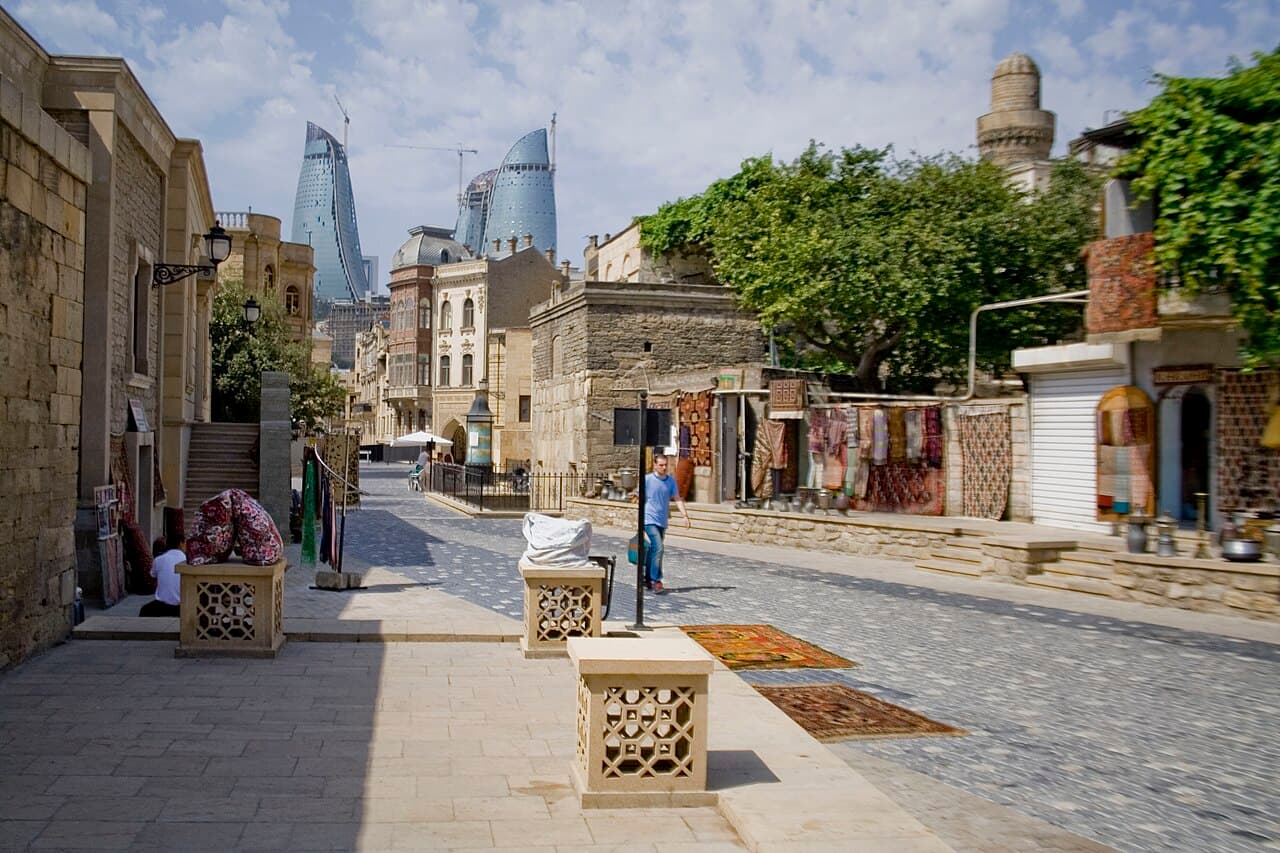
Surakhani lies on the eastern side of the Absheron Peninsula, further from central Baku than most districts covered on this site, and its identity is inseparable from two things: the natural gas seeps that made it sacred to fire-worshippers centuries ago, and the oil industry that transformed the entire peninsula in the 19th and 20th centuries. It is a district best understood historically first and residentially second.
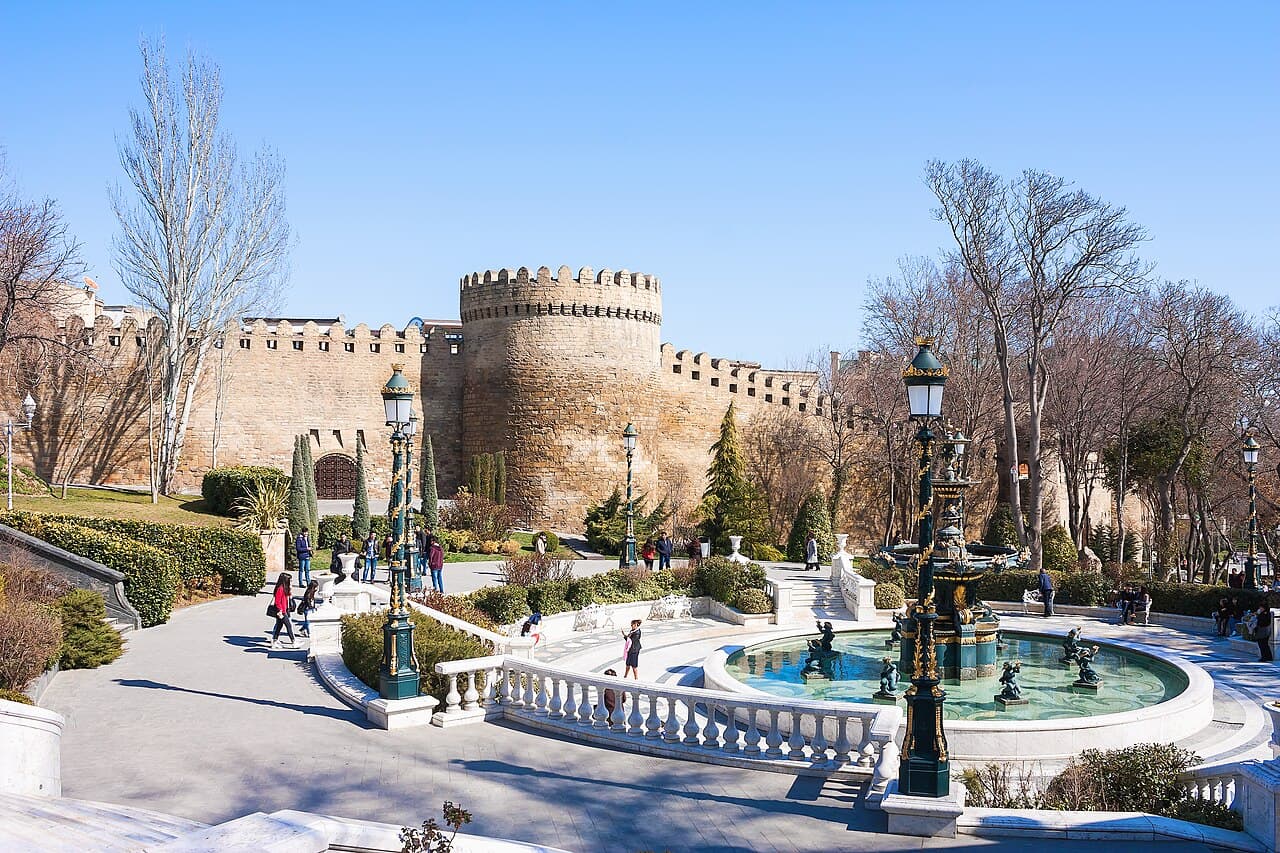
The Ateshgah Fire Temple
Surakhani's best-known landmark is the Ateshgah of Baku, a fortress-like pentagonal temple complex built around a natural gas vent that, for centuries, produced flames burning directly from the ground. The site was used as a place of worship by Zoroastrian, Hindu, and Sikh traders and pilgrims who traveled along trade routes connecting Persia and the Indian subcontinent, and inscriptions in Sanskrit and Punjabi found on the site attest to this multi-faith history. The temple in its current form dates largely to the 17th–18th centuries, built by the local Indian trading community over an earlier holy site. Natural gas flow to the temple's flame diminished significantly through the 20th century as intensive oil and gas extraction lowered underground pressure across the peninsula, and the flame now visible to visitors is fed by piped gas rather than the natural seep that originally powered it. The complex is preserved as a museum and remains one of the more significant heritage sites in the greater Baku area.
A Landscape Built on Oil
Surakhani's other defining feature is its place in the history of the oil industry. The district sits within the broader Absheron oil-bearing region that made Baku one of the world's earliest major petroleum production centers in the late 19th century, and Surakhani itself has long hosted extraction infrastructure, including some of the historic oil fields associated with the peninsula's early industrial boom. This history is visible in the landscape — nodding pumpjacks, pipelines, and industrial installations remain part of the district's visual character in a way not found in central Baku, and the same underground pressure changes from over a century of extraction are directly linked to the fading of the Ateshgah's natural flame.
Residential Character
As an outer eastern district, Surakhani is predominantly residential and semi-industrial rather than commercial or touristic, aside from the immediate vicinity of the Ateshgah complex. Housing is a mix of older Soviet-era buildings and private houses, with a lower density of new high-rise development than districts closer to the city center. Daily life here centers on local neighborhoods rather than the boulevard or central business districts, and the area's identity remains tied more closely to its industrial and historical past than to contemporary Baku's skyline.
Distance from the Center
Surakhani is considerably further from central Baku than districts like Sabail or Nasimi, and this distance shapes both its affordability and its pace of life. Commuting to the city center takes meaningfully longer than from more central neighborhoods, and the district sees far less foot traffic and commercial density than the boulevard-adjacent areas. For residents, this trade-off generally comes with lower housing costs and a quieter, more suburban feel relative to central Baku.
Visiting and Living There
Most non-residents who come to Surakhani do so specifically to visit the Ateshgah, typically as part of a day trip that also includes the nearby Yanar Dag burning hillside further along the peninsula. For those considering living in the district rather than simply visiting, Surakhani offers a genuinely different Baku experience — closer to the Absheron Peninsula's industrial and rural character than to the cosmopolitan center, with heritage tourism providing the district's main point of contact with the wider world.
Takeaway
Surakhani rewards anyone interested in the deeper layers of Baku's history — the fire-worship traditions that predate the modern city, and the oil boom that built it. As a place to live, it suits those prioritizing affordability and a quieter, more industrial-adjacent setting over central location, with the Ateshgah standing as a reminder that this corner of the Absheron Peninsula has drawn people from far beyond Azerbaijan for centuries.
Neighborhoods & areasBaku Nightlife and Entertainment: An Investor's Guide
Baku's entertainment, restaurant and club scene by district — where activity concentrates, how it affects property values and what it means for choosing a neighbourhood
Read more → Neighborhoods & areas
Zabrat: Baku's Oil-Field Heritage Neighborhood
Inside Zabrat, an Absheron settlement built on Baku's early oil boom, now a residential district in Sabunchu with an industrial past still visible in its landscape
Read more → Neighborhoods & areas
Görədil: A Smaller Absheron Settlement
What is known about Görədil (Goradil), a lower-profile settlement on the Absheron Peninsula, and how it fits the peninsula's broader rural and agricultural pattern
Read more →