Sabail District: Baku's Government and Business Core
Published on 2026-08-01 · 4 min read
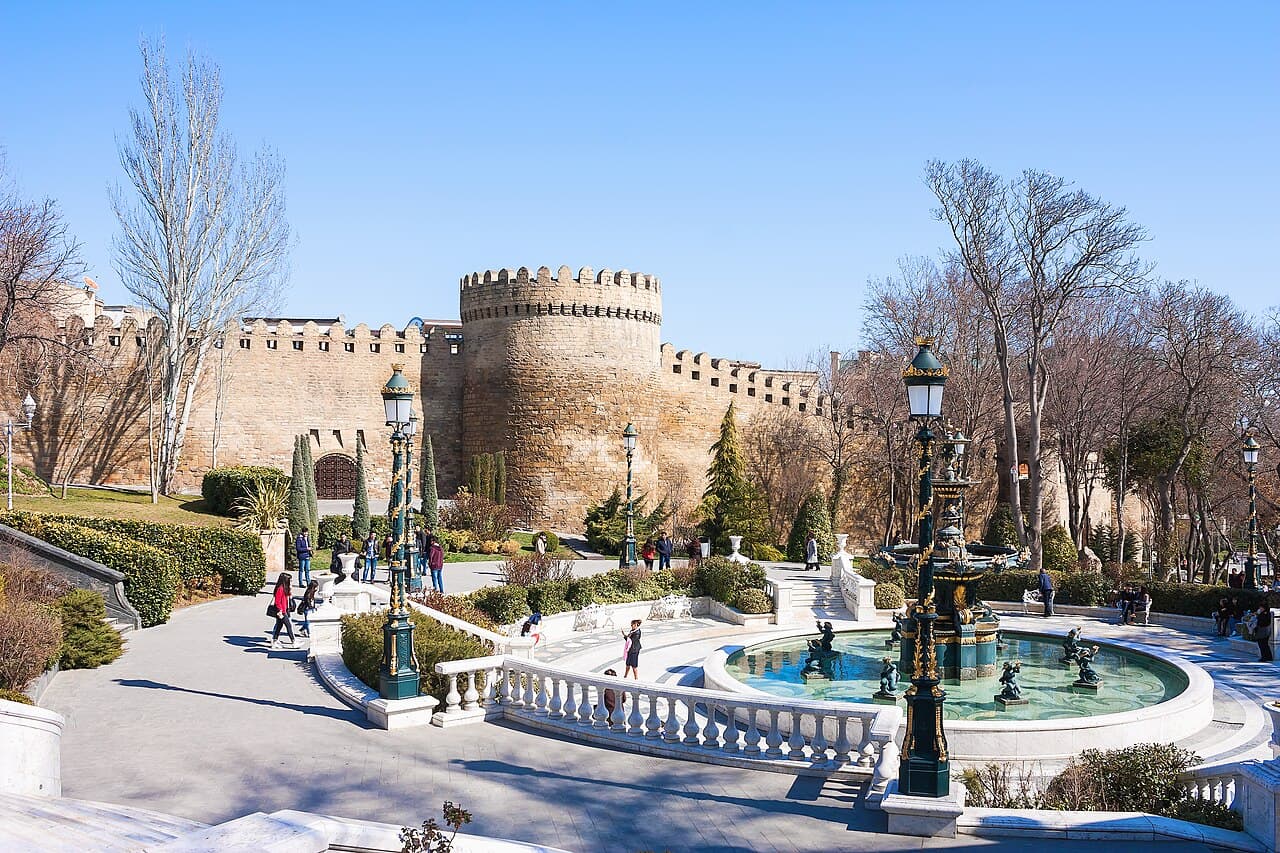
Sabail is Baku's central administrative district, and by far its most consequential one. It stretches from the shore of the Caspian Sea inland across the city's historic and modern core, encompassing not only the walled Old City of Icherisheher but also Fountains Square, most of the Baku Boulevard, the Flame Towers, and the government quarter around the Presidential Administration and the Cabinet of Ministers. Understanding Sabail as a whole — rather than just its most photographed corner — matters for anyone evaluating property or business location in Baku, because the district functions as the city's institutional and commercial spine.
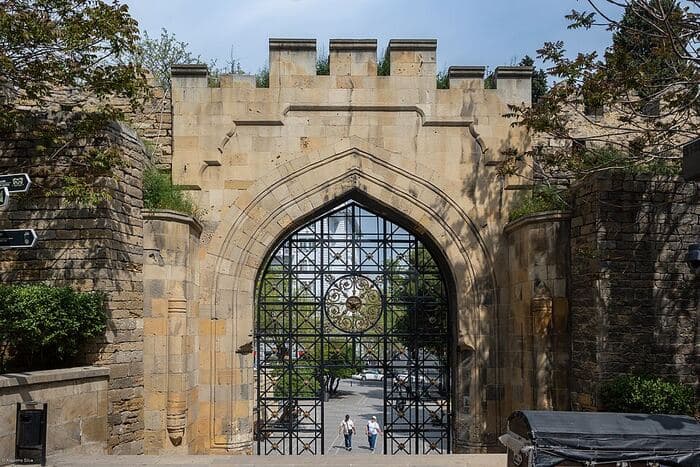
A District Larger Than Its Old City
It is a common mistake to conflate Sabail with Icherisheher. The Old City is only one neighborhood within Sabail, which is one of Baku's twelve administrative raions and covers a much broader swath of the capital. Beyond the medieval walls, Sabail includes the modern high-rise business corridor along Neftchilar Avenue, the Government House on Azadlig Square, the Academy of Sciences, and residential blocks climbing the hillside toward Baku's upper terraces. This mix of monumental government architecture, Soviet-era apartment blocks, and contemporary towers gives Sabail a layered character that differs block by block.
The Seafront and Boulevard
The Baku Boulevard — officially the Primorsky (Seaside) National Park — runs for several kilometers along the Caspian shore, and its central and most developed stretch falls within Sabail. This is where the Baku Ferris wheel, the Crystal Hall area's approach roads, yacht marinas, and a dense concentration of cafés and parks sit within walking distance of both the Old City walls and the Flame Towers above. The boulevard is heavily used by residents for evening walks and by tourists year-round, and proximity to it commands a premium in nearby residential buildings.
Government and Institutional Weight
Sabail hosts the bulk of Azerbaijan's national government infrastructure: the Presidential Administration, the Cabinet of Ministers on Azadlig Square, the Milli Majlis (National Assembly) building nearby, and numerous ministries and embassies. This concentration of institutions shapes the district's daytime population and traffic patterns — weekday mornings and evenings around the government quarter and Azadlig Square see heavy vehicle flow, while security presence is more visible here than in most other parts of the city.
Business and Commercial Life
Neftchilar Avenue and the streets running parallel to the seafront form one of Baku's primary business corridors, home to international hotel chains, corporate offices, and headquarters buildings for major companies operating in Azerbaijan's oil and finance sectors. Fountains Square, a short walk inland from the boulevard, is the district's main pedestrian commercial hub — a plaza ringed by shops, restaurants, and cafés that stays active well into the night and connects directly to Icherisheher's northern gates.
Housing Stock and Who Lives Here
Residential Sabail is a patchwork. Near the boulevard and the Flame Towers, newer high-rise developments offer sea views and modern amenities aimed at upper-income buyers and expatriates. Further inland and uphill, older Soviet-era apartment buildings from the mid-20th century house long-term residents and offer considerably lower price points than the waterfront towers. This range means Sabail can suit very different buyers — from investors seeking premium sea-view apartments to those looking for a central but more modestly priced foothold in the city.
Transport and Accessibility
Sabail's central location makes it one of the best-connected districts in Baku. The Baku Metro's Icherisheher, Sahil, and 28 May stations all fall within or border the district, and its central streets are within walking distance of most major landmarks — the Old City, the boulevard, Fountains Square, and the Flame Towers can all be reached on foot from many Sabail addresses. This walkability, combined with institutional density, keeps daytime traffic congestion higher here than in outer districts, particularly around Azadlig Square and the approaches to government buildings.
Takeaway
Sabail is Baku distilled into a single district: government power, commercial density, heritage architecture, and prime waterfront real estate all sit within the same administrative boundary. Buyers and businesses drawn to central Baku almost inevitably end up looking at Sabail first, but the district rewards a closer look — the experience of living or operating near the government quarter differs substantially from a boulevard-facing tower or a Soviet-era block a few streets inland, even though all three sit under the same district name.
Anyone weighing a purchase in this area can set it against other districts of Baku in the neighbourhood comparison tool.
 Neighborhoods & areas
Baku Nightlife and Entertainment: An Investor's Guide
Baku's entertainment, restaurant and club scene by district — where activity concentrates, how it affects property values and what it means for choosing a neighbourhood
Read more → Neighborhoods & areas
Zabrat: Baku's Oil-Field Heritage Neighborhood
Inside Zabrat, an Absheron settlement built on Baku's early oil boom, now a residential district in Sabunchu with an industrial past still visible in its landscape
Read more → Neighborhoods & areas
Görədil: A Smaller Absheron Settlement
What is known about Görədil (Goradil), a lower-profile settlement on the Absheron Peninsula, and how it fits the peninsula's broader rural and agricultural pattern
Read more →