Why Invest in Azerbaijan: A Comparatively Stable Base in the Caucasus
Published on 2026-08-04 · 4 min read

When investors weigh a market that isn't yet mainstream, stability often matters as much as upside. For Azerbaijan, part of the appeal isn't a single dramatic growth story, but a set of comparatively mundane, practical factors — currency behavior, everyday safety, and a reasonably consistent track record of enforcing property rights — that together make it a steadier base than some alternatives for gaining exposure to the wider Caucasus and Caspian region. None of this makes Azerbaijan risk-free, and it's worth treating each factor as a data point rather than a guarantee.
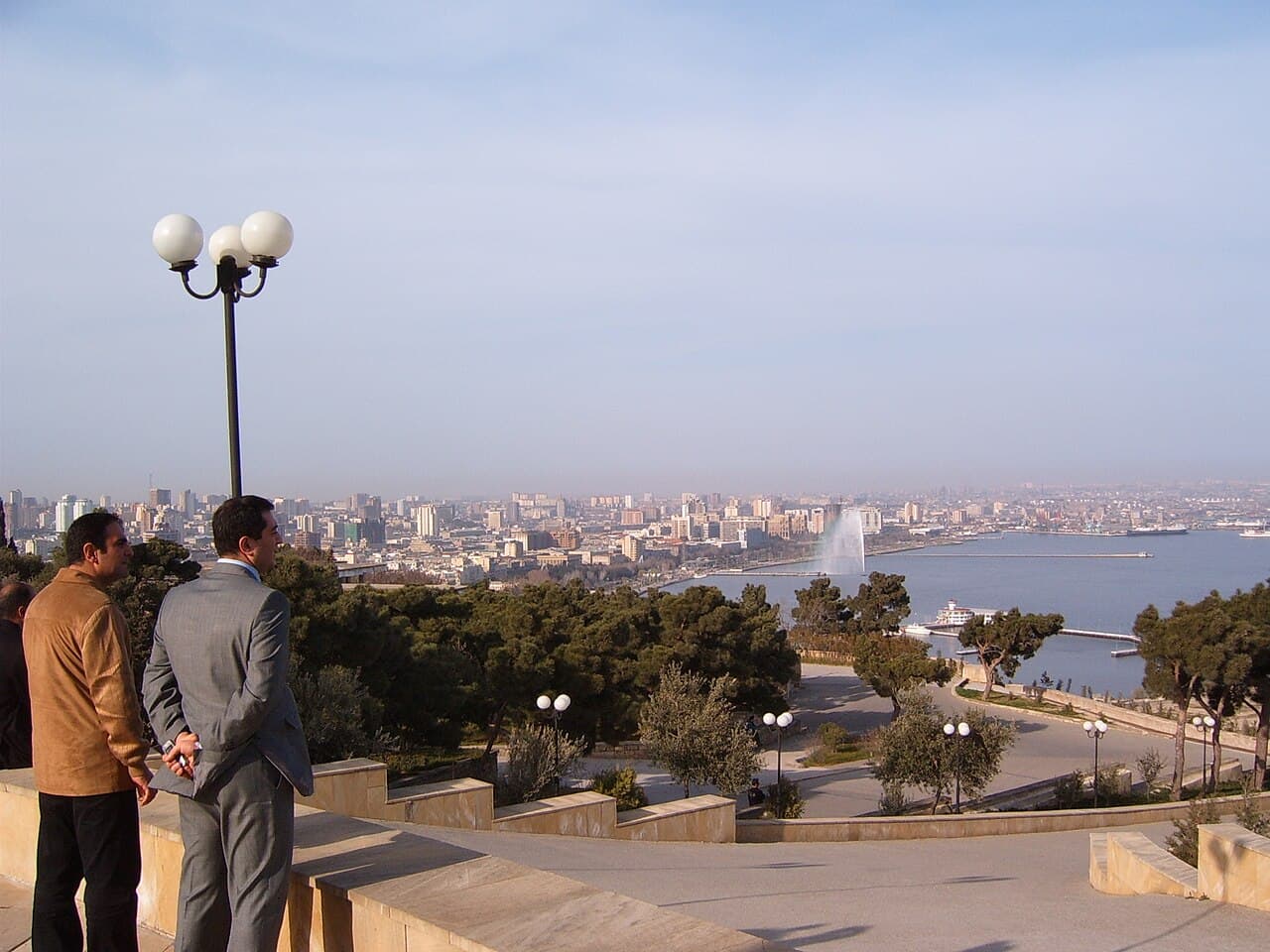
Currency History and Macroeconomic Management
The Azerbaijani manat (AZN) has had periods of volatility, most notably devaluations in 2015. Since then, however, the exchange rate against the US dollar has stayed within a comparatively narrow band for an extended stretch, supported in part by the country's oil and gas export revenue and central bank reserves. This is not a guarantee of future stability — commodity-linked currencies can move quickly when energy prices shift — but the multi-year track record of relative calm is a factor investors commonly look at when comparing entry points across neighboring and nearby markets.
Everyday Safety for Residents and Visitors
For investors who plan to visit, rent out, or eventually live in a property, day-to-day personal safety is a practical consideration that's easy to overlook next to headline economic figures. Baku and other Azerbaijani cities are generally described by residents, expatriates, and travel guides as having low rates of violent and street crime relative to many other capitals, with a visible police presence in central areas. As with any city, sensible precautions still apply, and this kind of qualitative safety observation should be treated as illustrative rather than as a formal ranking or guarantee.
Property Rights and Legal Predictability
Foreign ownership of real estate in Azerbaijan is permitted under a legal framework that has become more established over roughly the past two decades, with a land and property registry system that, while not without bureaucratic friction, has a reasonably consistent track record of recognizing and enforcing registered ownership. This matters more than it might seem: in some emerging markets, the practical risk isn't the property itself but uncertainty over whether a title will hold up over time. Azerbaijan's system is still developing in places, and working with a qualified local lawyer for due diligence remains essential, but the baseline predictability is a meaningful factor for foreign buyers.
A Comparatively Steady Entry Point Into the Region
Azerbaijan sits at a geographic crossroads between Europe, Russia, Central Asia, and the Middle East, and its Caspian coastline gives it a role in regional energy and trade corridors. For investors interested in Caucasus and Caspian market exposure more broadly, Azerbaijan's combination of currency stability, everyday safety, and legal predictability has made it, for many, a comparatively practical starting point — a place to establish a first regional foothold before considering smaller or newer markets nearby. This is a relative statement about ease of doing business, not a claim about any specific country's politics, and investors should always evaluate each market on its own current merits rather than assumptions.
Risks Worth Keeping in Perspective
Stability is relative, not absolute. Azerbaijan remains an emerging market with a secondary property market that is thinner and less liquid than in established Western cities, meaning a quick resale can be harder to achieve at full value. The economy still carries meaningful exposure to global energy prices, even as diversification efforts progress. And while the legal framework for foreign ownership has matured, regulations and tax rules can change, so ongoing monitoring — not a one-time check — is the safer approach.
Bottom Line for Investors
No market is free of risk, and Azerbaijan is no exception. But for investors specifically weighing where to establish exposure to the Caucasus and Caspian region, the combination of a multi-year run of currency stability, generally low rates of everyday crime, and a workable — if imperfect — property rights system are practical, checkable reasons that Azerbaijan is often treated as a comparatively steady starting point. As always, pair this kind of macro-level comfort with property-specific due diligence and local legal advice before committing capital.
Related Articles
- Why Political and Economic Stability Make Baku Worth a Look
- Why Azerbaijan's Nationwide Tourism Expansion Is a Reason to Look Beyond Baku
- Investing in Azerbaijan: Legal Frameworks and Government Support for Foreign Investors
- Nakhchivan: Inside Azerbaijan's Isolated Exclave
- Azerbaijan Real Estate Pricing: An Annual Overview and What Data Actually Exists
 Real estate investing
The Israel-Azerbaijan-US Triangle in 2026
An AI memorandum, an American strategic charter and talks on a trilateral format. What is actually new here, what was already in place, and what it means for buyers
Read more → Real estate investing
How Dependent Is Azerbaijan's Economy on Oil, Really?
The non-oil sector reaches 75.8% of GDP in 2026, but that share is rising for two different reasons. The official figures, the IMF's view, and what it means for buyers
Read more →Real estate investingThe Armenia-Azerbaijan Peace Deal: Where It Stands
The agreement was initialed in August 2025 but remains unsigned. What was agreed, what is blocking signature, what the Armenian election changed, and what it means for owners
Read more →