The COP29 Legacy in Baku: Green Energy and Investment
Published on 2026-09-08 · 4 min read
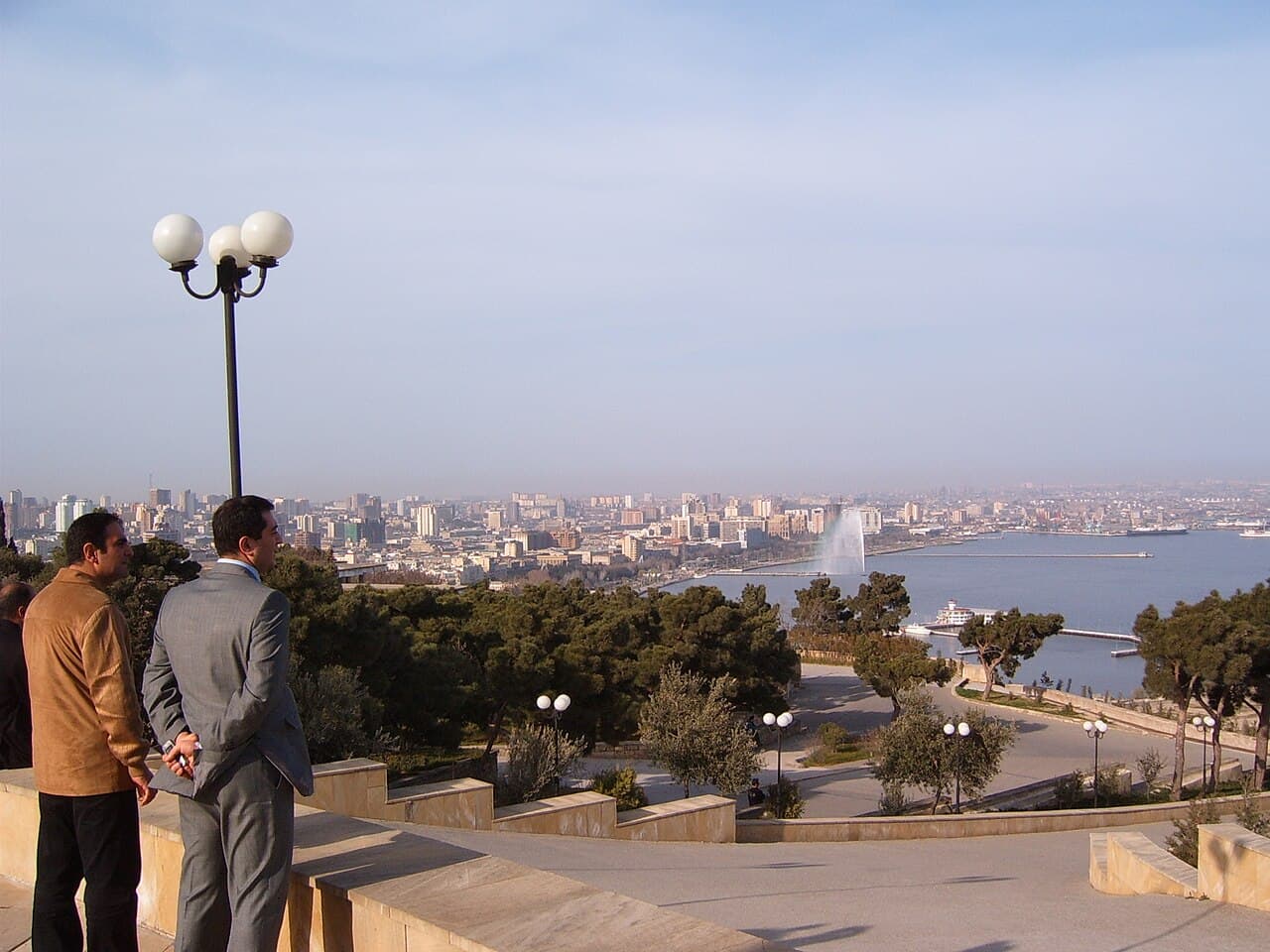
Hosting the United Nations climate conference, COP29, was one of the largest international events Baku has staged. For a city built historically on oil, hosting a global climate conference was both a symbolic and a strategic move. The relevant question for an investor is not what happened during the conference week, but what remained afterwards.
Why Hosting Such a Conference Matters
Climate conferences of this scale bring tens of thousands of participants — government delegations, international organisations, media, the business sector and civil society. The logistical requirements are enormous: accommodation, transport, security, communications and conference space.
A city hosting such an event must invest in infrastructure in advance, and receives two things in return: infrastructure that remains, and international exposure that is hard to buy.
What Remained: Infrastructure
The investment required for such an event spans several areas — expanding accommodation capacity, upgrading public transport and connectivity, improving the public realm, and communications and energy infrastructure.
Unlike spending on a one-off event, infrastructure of this kind serves the city and its residents for years. This is one of the recognised mechanisms by which international events contribute to property values over time — not through the revenue of the event week but through the cumulative improvement in the urban environment. We expanded on this in the modern infrastructure upgrade in Baku.
What Remained: International Positioning
The second aspect is reputational. Hosting a conference of this magnitude places Baku on the global conference map and strengthens its standing as a destination for international events.
For a property investor, the practical implication lies in the future conference calendar: a city that has demonstrated hosting capability at this level gains preference for subsequent events. We expanded on this in the calendar of international conferences and exhibitions in Baku.
The Economic Context: The Transition from Oil
The most substantive point is the strategic context. Azerbaijan is pursuing a deliberate economic diversification programme, in which the non-oil sector already accounts for roughly three quarters of GDP and more than half of budget revenues.
Hosting a climate conference fits that narrative: an energy-producing country signalling a shift towards renewables. Azerbaijan is advancing wind and solar energy projects, partly thanks to favourable geographic conditions on the Absheron Peninsula and in other regions. We expanded on this in renewable energy and agriculture as growth engines in Azerbaijan and economic diversification and the non-oil sector.
Why This Is Relevant to a Property Investor
The link between energy policy and the housing market is not immediate, but it is real along three paths.
Macroeconomic stability — an economy resting on a single income source is more exposed to commodity price shocks. Diversification reduces volatility, and that affects currency stability and local purchasing power. We expanded on this in manat stability and what it means for property investors.
Foreign investment flows — renewable energy projects attract international capital, technology partnerships and professional workers. These generate demand for quality housing and commercial property.
Building standards — the green building trend gradually influences the specification of new projects: insulation, energy efficiency and smart systems. Properties meeting higher standards tend to hold value better over time.
Important Caveats
Proportion is worth keeping. Hosting an international conference does not transform an economy overnight, and does not turn an oil-producing country into a renewable energy power. Energy transitions are measured in decades, not years.
In addition, Azerbaijan's economy still rests substantially on oil and gas revenues on the export and budget side, even as their weight in GDP falls. That dependence remains a risk factor to be priced. We expanded on this in political and economic risk assessment in Azerbaijan.
Finally, no conclusions about a specific property's yield should be drawn from a single event's legacy. The link between national positioning and the price of an apartment in a particular neighbourhood is indirect and slow.
Summary
The COP29 legacy in Baku is primarily one of infrastructure and positioning rather than immediate economic change. For an investor, its value sits within a broader picture: a country pursuing deliberate economic diversification, investing in urban infrastructure and strengthening its standing as a host of international events. These are supportive long-term factors, not a promise of yield. As always, independent due diligence on each property is required.
Related Articles
 Real estate investing
The Israel-Azerbaijan-US Triangle in 2026
An AI memorandum, an American strategic charter and talks on a trilateral format. What is actually new here, what was already in place, and what it means for buyers
Read more → Real estate investing
How Dependent Is Azerbaijan's Economy on Oil, Really?
The non-oil sector reaches 75.8% of GDP in 2026, but that share is rising for two different reasons. The official figures, the IMF's view, and what it means for buyers
Read more →Real estate investingThe Armenia-Azerbaijan Peace Deal: Where It Stands
The agreement was initialed in August 2025 but remains unsigned. What was agreed, what is blocking signature, what the Armenian election changed, and what it means for owners
Read more →