Azerbaijan GDP Growth Forecast 2026-2027
Published on 2026-09-08 · 4 min read
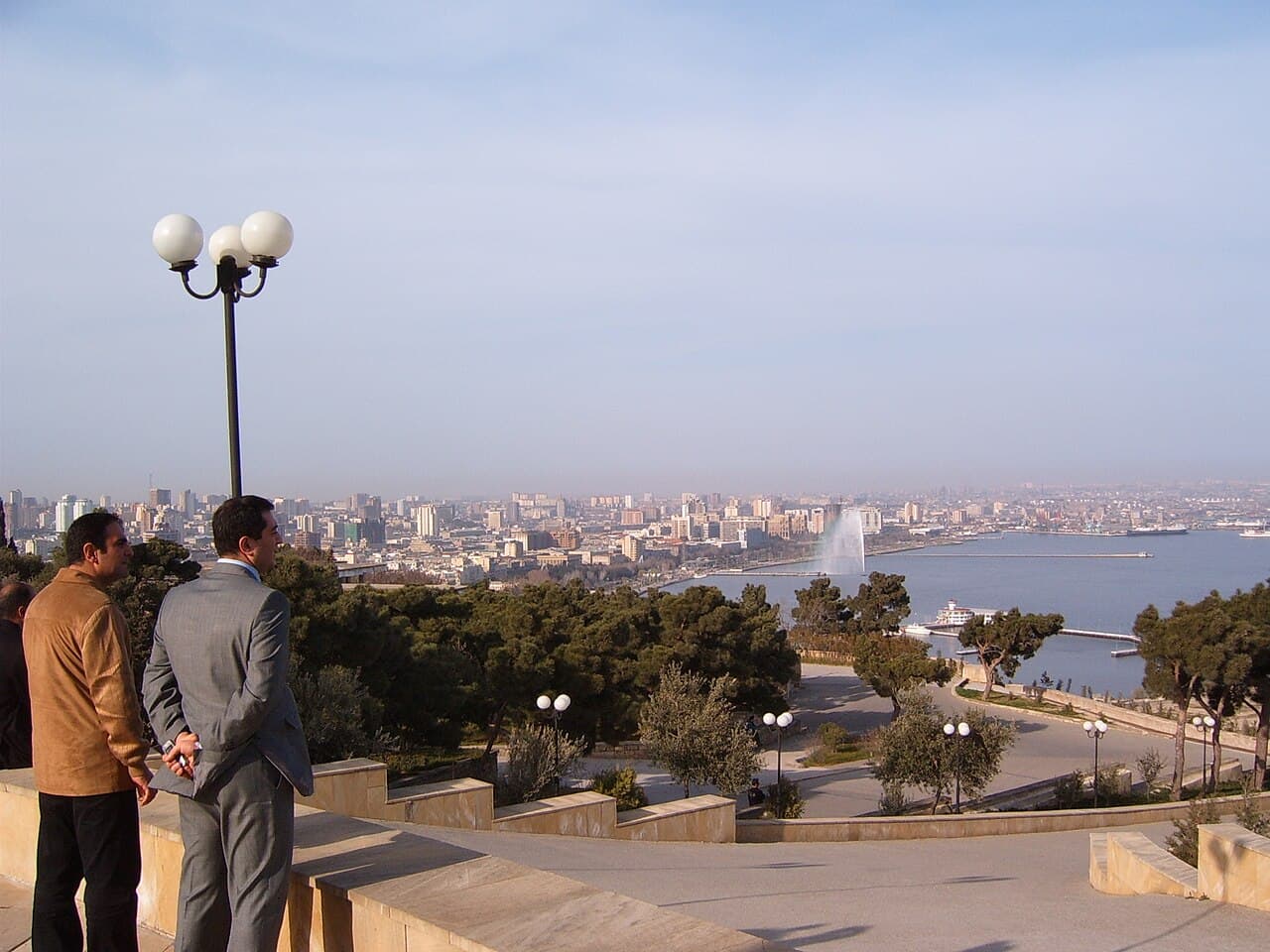
Economic growth is the foundation on which any property market resting on domestic demand stands. Household incomes, their ability to pay and their level of economic confidence flow directly from the state of the economy. For an investor assessing Baku, understanding the macroeconomic picture matters no less than understanding the housing market itself.
The Numbers: What Different Bodies Forecast
Forecasts for Azerbaijan's GDP growth sit within a defined range, with different institutions presenting different estimates.
The World Bank forecasts growth of around two percent.
Fitch Solutions forecasts growth of around 2.5%, against around 1.4% in the preceding year — that is, some acceleration.
The government forecast is more optimistic at around 2.9%, with GDP projected at roughly 134 billion manat.
The spread between these estimates is itself information: it shows there is no clear consensus, and that the forecast depends on assumptions about energy prices, external demand and investment.
The More Important Figure: The Non-Oil Sector
Headline GDP growth conceals the more significant shift. The non-oil sector's share of GDP is expected to approach around 75.8%, and around 57% of budget revenues.
Non-oil GDP is expected to reach roughly 100 billion manat, with real growth of around 3.1% — that is, above the headline growth rate. The implication: the part of the economy directly relevant to the housing market — services, construction, trade, tourism, logistics — is growing faster than the average.
We expanded on the process in economic diversification and the non-oil sector.
The Drivers Identified
The factors identified as drivers of the expected growth include expanding non-oil sectors, rising investment activity, and improved external demand. In parallel, Azerbaijan's trade partnerships have broadened to include China, Germany, Türkiye and further European countries.
Prudent macroeconomic policy is assessed as a factor strengthening market confidence and improving conditions for lending and foreign direct investment.
What This Means for the Property Market
The link between economic growth and housing prices is not immediate, but it is real.
Moderate growth supports steady demand — households whose incomes rise gradually can buy and rent. That is a basis for stable structural demand, but not for price spikes.
Growth of two to three percent does not support double-digit increases — and this is the important point. A rise of around 14% in apartment prices over the past year, against moderate economic growth, points to a gap that is not sustainable over time. We expanded on this in the affordability index: local income versus housing prices.
The non-oil expansion is the positive figure — a services and construction sector growing faster than the average generates urban employment, which feeds housing demand in Baku specifically.
The Risks These Bodies Identify
The forecasts explicitly note that the main downside risks are rising geopolitical tensions and potential disruptions to global trade.
For a property investor, these are not abstract risks. Regional tension affects tourism, capital flows and the exchange rate. A trade disruption affects the logistics route passing through Azerbaijan, which is one of the growth drivers. We expanded on this in the Middle Corridor trade route and what it means for Baku property.
How to Track the Data
A practical recommendation: follow three types of publication on an ongoing basis.
Forecast updates from international bodies — the World Bank, the IMF and rating agencies publish periodic updates.
Official domestic data — quarterly GDP figures, inflation and employment.
Property market reports — local banking and research institutions publish housing market reviews.
Cross-referencing the three gives a more reliable picture than any single source. We expanded on this in a guide to tracking the Baku property market.
Important Caveats
Economic forecasts are updated continuously and change. The figures quoted here reflect published estimates and are not fixed.
In addition, GDP growth is a national-level figure and does not translate directly into the price of a specific property in a particular neighbourhood.
Summary
Growth forecasts for Azerbaijan over the coming years run at around two to three percent, with significant expansion of the non-oil sector, which already accounts for roughly three quarters of GDP. This is a picture of an economy diversifying and stabilising, but growing at a moderate pace. For a property investor, that implies steady structural demand — but also a warning that double-digit price growth is not supported by the economy over time.
Related Articles
 Real estate investing
The Israel-Azerbaijan-US Triangle in 2026
An AI memorandum, an American strategic charter and talks on a trilateral format. What is actually new here, what was already in place, and what it means for buyers
Read more → Real estate investing
How Dependent Is Azerbaijan's Economy on Oil, Really?
The non-oil sector reaches 75.8% of GDP in 2026, but that share is rising for two different reasons. The official figures, the IMF's view, and what it means for buyers
Read more →Real estate investingThe Armenia-Azerbaijan Peace Deal: Where It Stands
The agreement was initialed in August 2025 but remains unsigned. What was agreed, what is blocking signature, what the Armenian election changed, and what it means for owners
Read more →