Sea Breeze at 20: From Beachfront Hotel to Resort City (2006–2026)
Published on 2026-08-16 · 4 min read
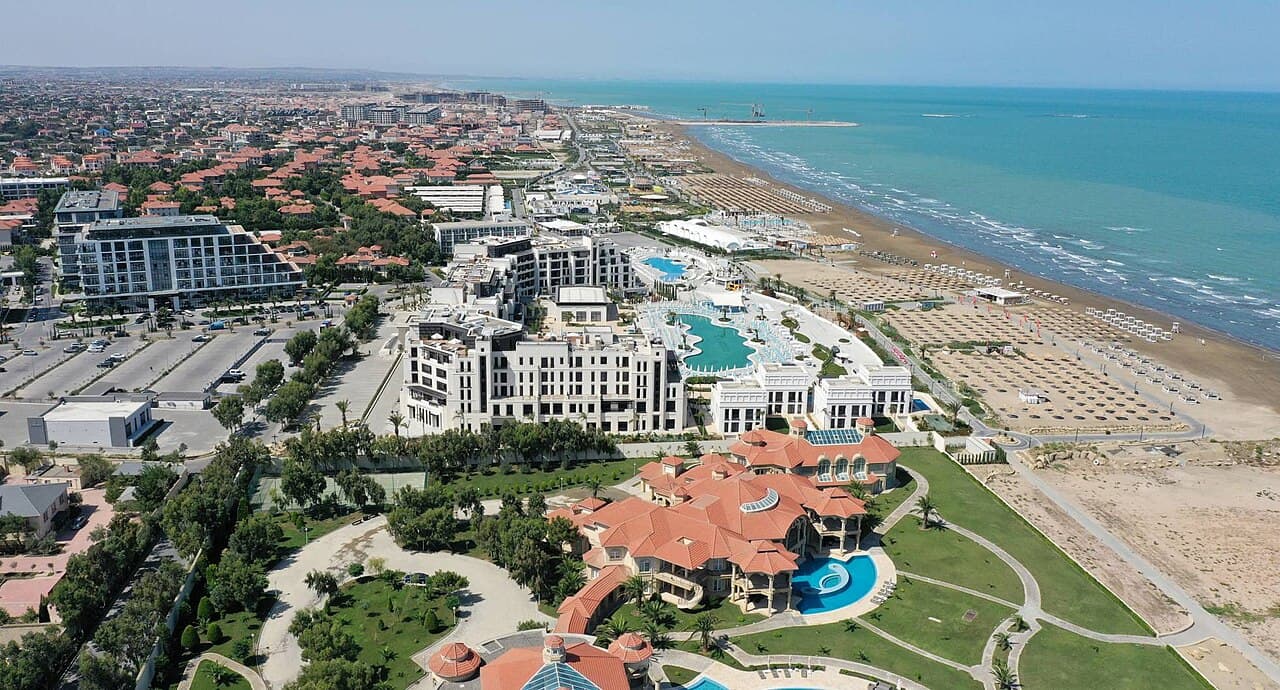
In 2026, Sea Breeze marks 20 years since it opened in 2006 as a hotel, restaurant, and beach on the Caspian coast near Baku. Over two decades, the site has grown, under Agalarov Development, into a sprawling resort city covering roughly 1,000 hectares, with hotels, residential complexes, entertainment venues, and a series of large-scale sub-projects layered on over the years. This piece traces that growth, from a single beachfront property to the multi-part destination it represents today.
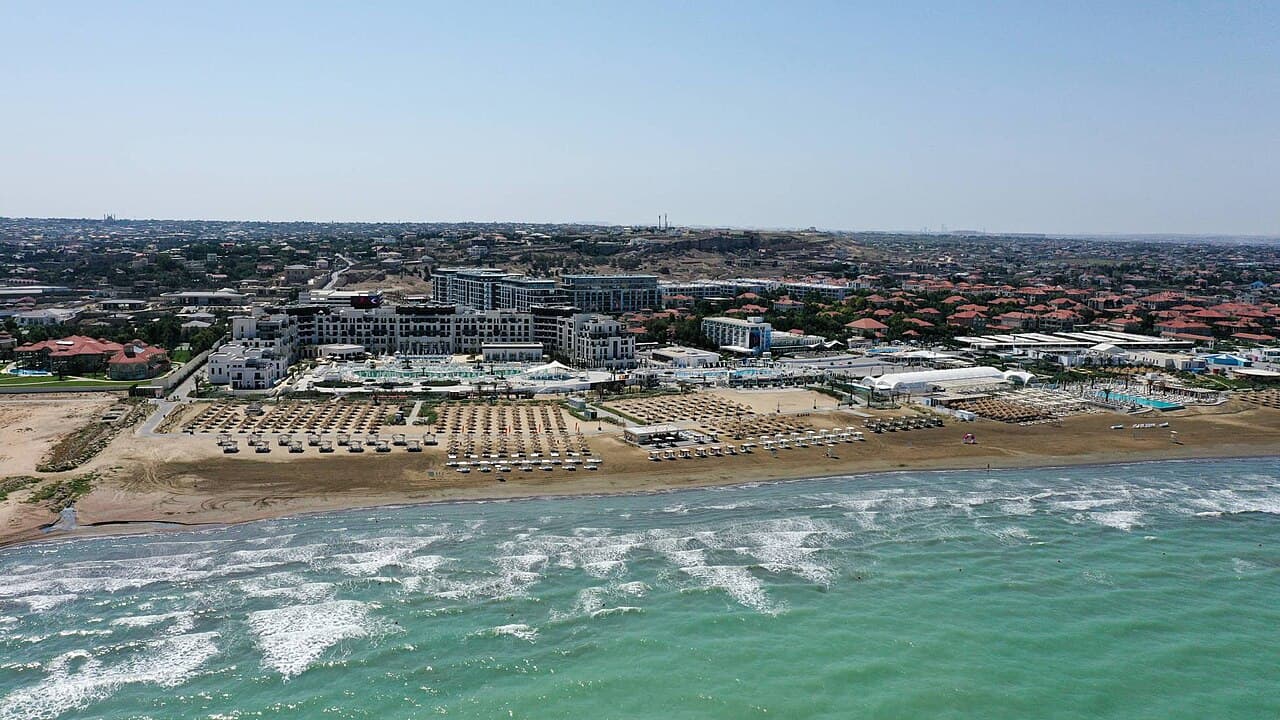
From a Single Hotel to a Resort City
Sea Breeze's origin in 2006 was modest by comparison to what exists today: a beachfront hotel, a restaurant, and a stretch of coastline roughly 22 minutes from central Baku. In its early years, it functioned much like any other seaside hospitality venue on the Absheron peninsula — a place for a meal, a swim, or a short stay, without the broader infrastructure of hotels, residential towers, and entertainment programming that later developments would add. The scale of the site — reportedly around 1,000 hectares in total — gave Agalarov Development substantial room to expand well beyond that initial footprint, and that expansion is what turned Sea Breeze from a single property into a resort city in its own right.
The Early Years
The years following the 2006 opening were largely about establishing Sea Breeze as a credible leisure destination near Baku, building out the core hospitality offering — hotel rooms, dining, and beach facilities — before layering on additional attractions. As with most large-scale coastal developments, early growth tends to be incremental: a resort needs an established visitor base and operating track record before large residential and entertainment investments make sense. Sea Breeze's later trajectory, with its string of high-profile sub-projects announced from the 2020s onward, suggests that groundwork was laid during this earlier period, even though detailed records of the site's phase-by-phase construction in its first decade are not widely published.
Expansion and Diversification
Over time, Sea Breeze diversified well beyond its original hotel-and-beach model. The resort now encompasses multiple hospitality brands, residential developments such as Miami Residence, and event infrastructure capable of hosting large-scale programming like DREAM FEST, the international music festival held there each summer. This diversification mirrors a broader pattern seen in large resort developments worldwide: rather than remaining a single hotel property, successful coastal resorts tend to expand into mixed-use destinations combining hospitality, residential real estate, and entertainment, spreading both revenue sources and visitor appeal across multiple offerings rather than one.
Sub-Projects Reshaping the Coastline
The most visible sign of Sea Breeze's growth in recent years is the series of large sub-projects announced under its umbrella. A partnership with the Italian hospitality brand Cipriani, signed in Milan, includes a planned Cipriani Tower reaching 323 meters, along with a 116-room Cipriani Resort Sea Breeze hotel and roughly 127 Cipriani Residences Sea Breeze units. Separately, BRABUS Island is planned as an ultra-luxury development of 592 residences and 16 twin villas spread across more than 28 acres. More recently, Agalarov announced Half Moon Island, a planned 50-hectare artificial island intended to add roughly one million square meters of real estate, entertainment, and branded property space, unveiled at the SPIEF forum in 2026. Each of these remains at a different stage of development — some under construction, others still in planning — and should be understood as components of an expanding master plan rather than a finished resort.
Two Decades in Numbers
Sea Breeze's own account of its scale gives a sense of how far the project has come: a roughly 1,000-hectare footprint, sub-projects spanning hundreds of residential units across BRABUS Island and Cipriani Residences alone, a music festival drawing internationally recognized touring artists, and a separately announced ambition for what Emin Agalarov has described as potentially Europe's largest casino, with more than 90,000 square meters of space, over 100 gaming tables, and more than 1,500 slot machines. It's worth being precise about status here: the casino remains an announced plan rather than a confirmed, built facility, and its scope should be treated as an ambition stated by the developer rather than an established fact until construction is completed and independently verifiable.
Looking Ahead
Twenty years on from a single beachfront hotel, Sea Breeze now functions as a resort city with hospitality, residential, and entertainment components spread across a large coastal footprint, and several major sub-projects still in progress. Its next phase of growth appears tied to the completion of the Cipriani and BRABUS Island developments, the buildout of Half Moon Island, and the resolution of the casino proposal's status. As with any large, multi-phase development, the timeline for these projects is likely to shift, and prospective visitors or observers should treat announced plans as directional rather than guaranteed until construction milestones are independently confirmed.
This article is intended as general background on Sea Breeze's development history; it is not an offer or promotion of any property for sale.
Related Articles
 New developments
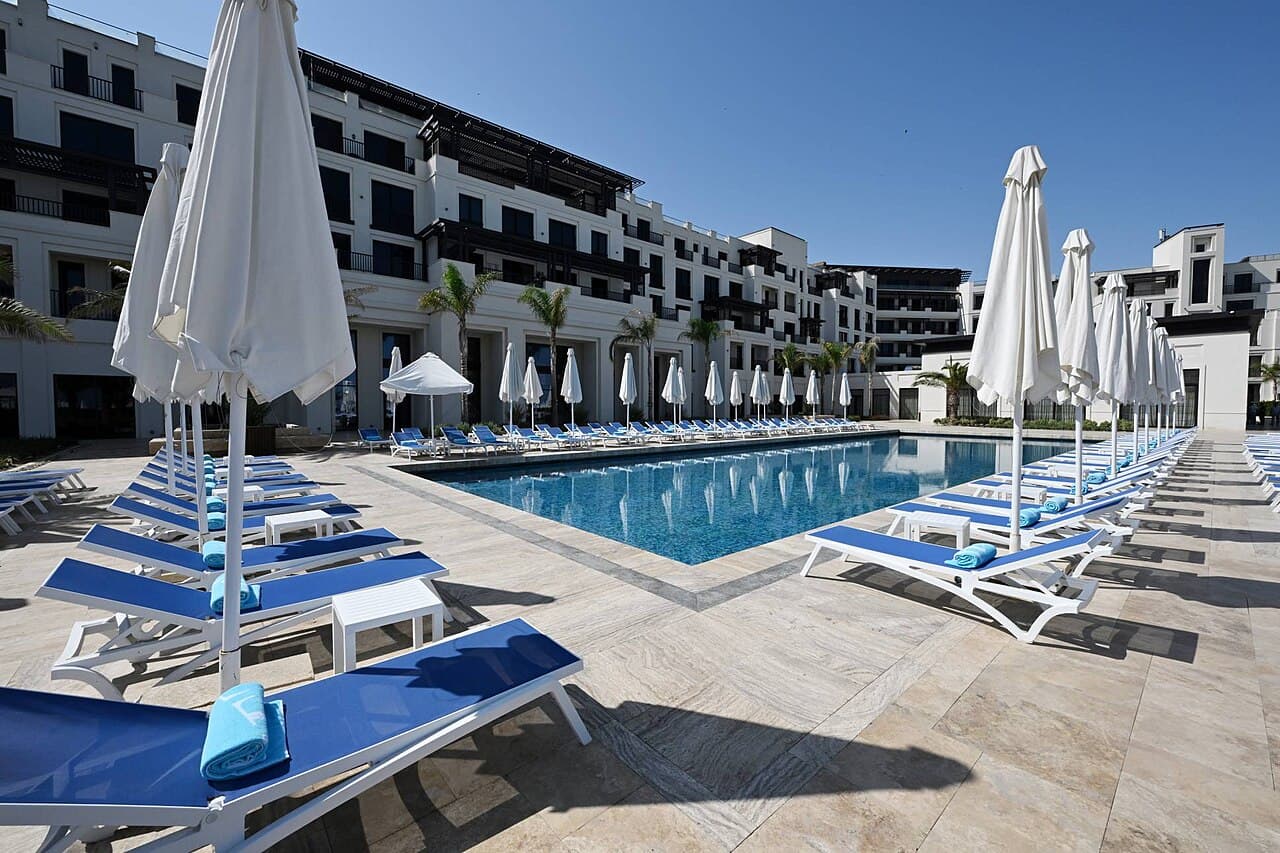
Sea Breeze Beach vs a Public Beach in Baku
On the northern coast the water is the same water. What actually differs between a managed resort beach and a public one, where each wins, and what it means for buyers
Read more →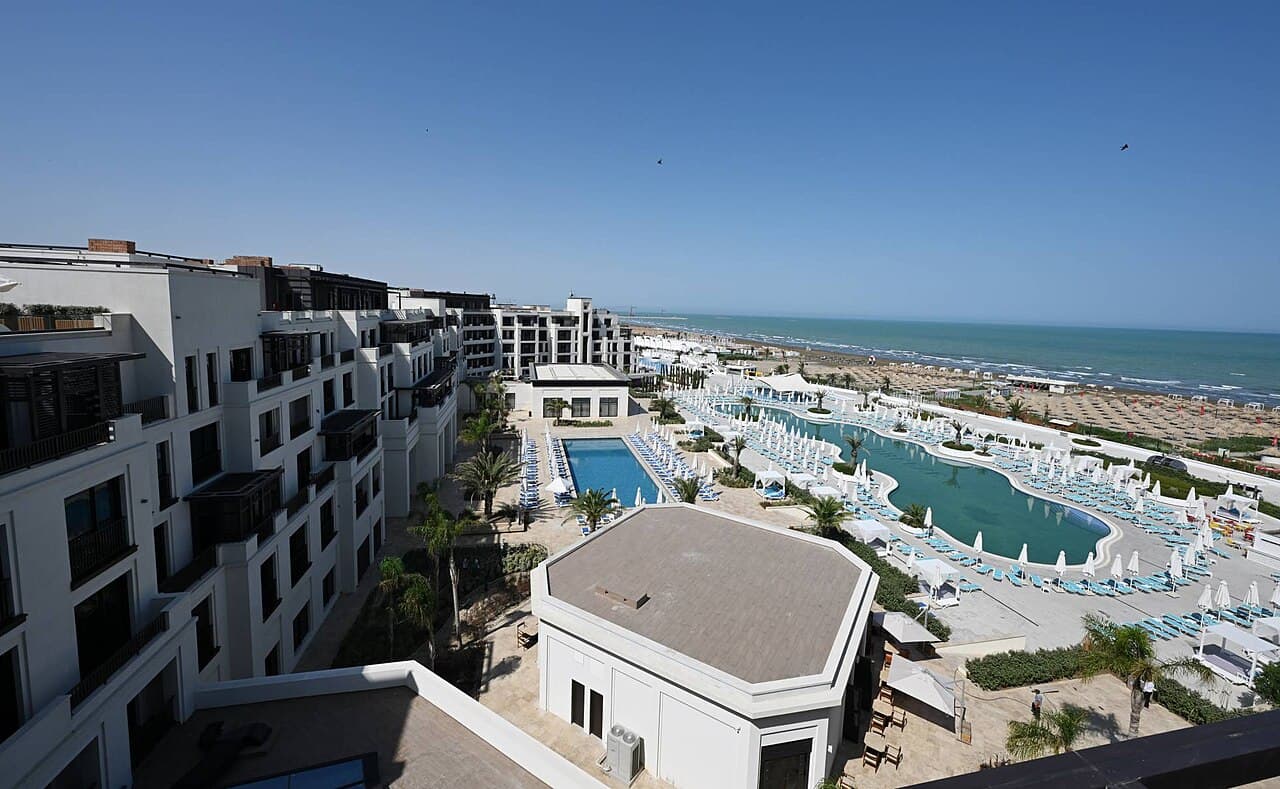 New developments
Who Is Hagag Group? The Israeli Developer Entering Sea Breeze in Baku
A factual look at Hagag Group, the publicly-traded Israeli developer that signed a memorandum of understanding for a project within Sea Breeze in Azerbaijan
Read more → New developments
Hagag Group in Israel vs. Baku: What the Move Into a New, Unconfirmed Deal Actually Means
A factual comparison of Hagag Group's established Israeli track record against its new, non-binding memorandum for two projects at Sea Breeze in Azerbaijan
Read more →