The Non-Oil Transition and Baku Property
Published on 2026-09-08 · 4 min read
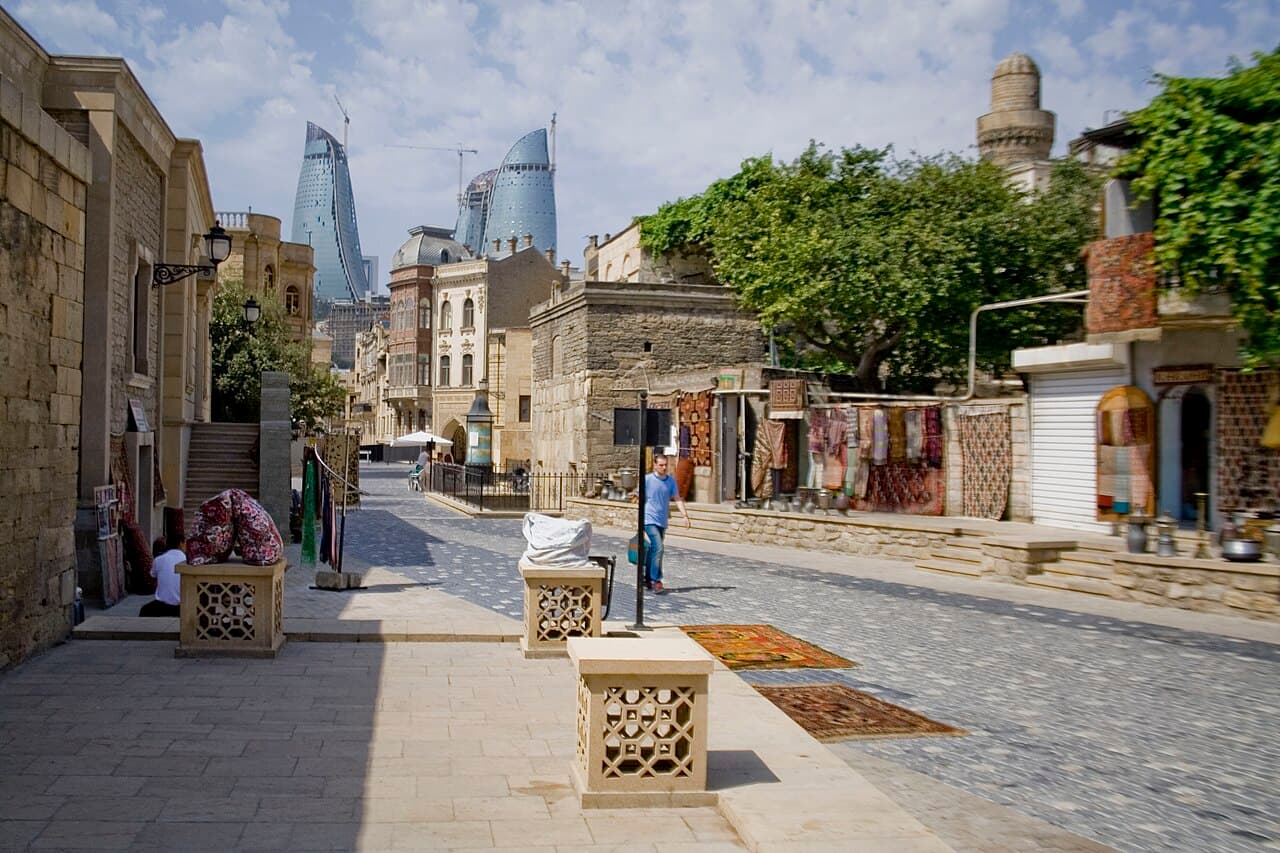
Baku's story began with oil. The city was built on the energy industry, and for decades its economy moved with global oil prices. In recent years a deliberate diversification process has been under way, and it is changing not only the economy but also the structure of demand in the property market. For an investor, this is one of the most important structural shifts to understand.
Where the Process Stands
The data tells a clear story. The non-oil sector's share of GDP is approaching roughly three quarters, and in budget revenues it is already above half. Non-oil GDP is expected to reach roughly 100 billion manat, with real growth of around 3.1% — above the headline growth rate of the economy.
This is not a declaratory change. It is a measurable process that is already altering the composition of the economy.
The Growing Sectors
Logistics and transport — with the strengthening of the trade route running between Asia and Europe across the Caspian, Azerbaijan has become a logistics junction. This generates employment, infrastructure investment and commercial activity. We expanded on this in the Middle Corridor trade route and what it means for property.
Tourism and hospitality — sustained growth in visitor numbers, hotel infrastructure development and an international events calendar. We expanded on this in the expansion of Azerbaijan's tourism sector.
Renewable energy — wind and solar projects, partly thanks to favourable geographic conditions. We expanded on this in renewable energy and agriculture as growth engines.
Technology and services — a relatively young but growing sector that draws educated workers to Baku.
Agriculture and food — a traditional sector undergoing modernisation and generating non-oil exports.
How This Changes the Housing Market
The link between economic structure and the structure of housing demand is direct, and works along three paths.
The employment mix changes — an oil economy produces concentrated, high-wage employment in a narrow sector. A services economy produces broader, more dispersed employment across a wider income range. The result: broader demand for housing across varied price bands, not only at the top end.
Stability rises — an economy resting on a single income source is vulnerable to a single shock. In 2015, falling oil prices led to a significant devaluation and damage to the market. A more diversified economy is less exposed to that scenario. We expanded on this in manat stability and what it means for property investors.
Commercial demand grows — services, logistics and technology sectors generate demand for offices, workspaces and commercial property — a category that was more limited in an oil economy. We expanded on this in commercial real estate opportunities in Baku.
The Geographic Effect Within the City
Diversification does not affect every neighbourhood equally. New sectors tend to cluster geographically: office and business districts in the centre, logistics on the periphery and near the port, tourism in the historic core and along the coast.
For an investor, the implication is that it is worth examining which sector is growing near the property you are considering. A neighbourhood adjoining a developing business district or a new transport junction benefits from the process; a neighbourhood distant from any activity hub less so.
What Has Not Yet Changed
Proportion matters here. Despite diversification in GDP, Azerbaijan's export revenues still rest substantially on oil and gas. Budget revenues too, despite the improvement, are not disconnected from energy prices.
The implication: a sharp and sustained fall in energy prices would still affect the economy, the exchange rate and the property market. Diversification reduces the risk but does not eliminate it.
Important Caveats
Economic transitions are measured in decades, not years. The improvement in the data is real, but the continuation of the trend depends on sustained policy, investment and the global environment.
In addition, reported shares in national data may shift according to measurement methodology and changes in energy prices, which affect the ratio even without a real change in activity.
Summary
Azerbaijan's transition from an oil economy to a more diversified one is among the most important structural shifts for a property investor in Baku. It broadens the base of housing demand, increases demand for commercial property and reduces exposure to a single shock. At the same time, dependence on energy revenues has not disappeared, and the process is far from complete. This is a supportive long-term factor, not a guarantee.
Related Articles
 Real estate investing
The Israel-Azerbaijan-US Triangle in 2026
An AI memorandum, an American strategic charter and talks on a trilateral format. What is actually new here, what was already in place, and what it means for buyers
Read more →Real estate investingHow Dependent Is Azerbaijan's Economy on Oil, Really?
The non-oil sector reaches 75.8% of GDP in 2026, but that share is rising for two different reasons. The official figures, the IMF's view, and what it means for buyers
Read more → Real estate investing
The Armenia-Azerbaijan Peace Deal: Where It Stands
The agreement was initialed in August 2025 but remains unsigned. What was agreed, what is blocking signature, what the Armenian election changed, and what it means for owners
Read more →