Baku Events Calendar 2027: A Full Investor Guide
Published on 2026-09-08 · 4 min read
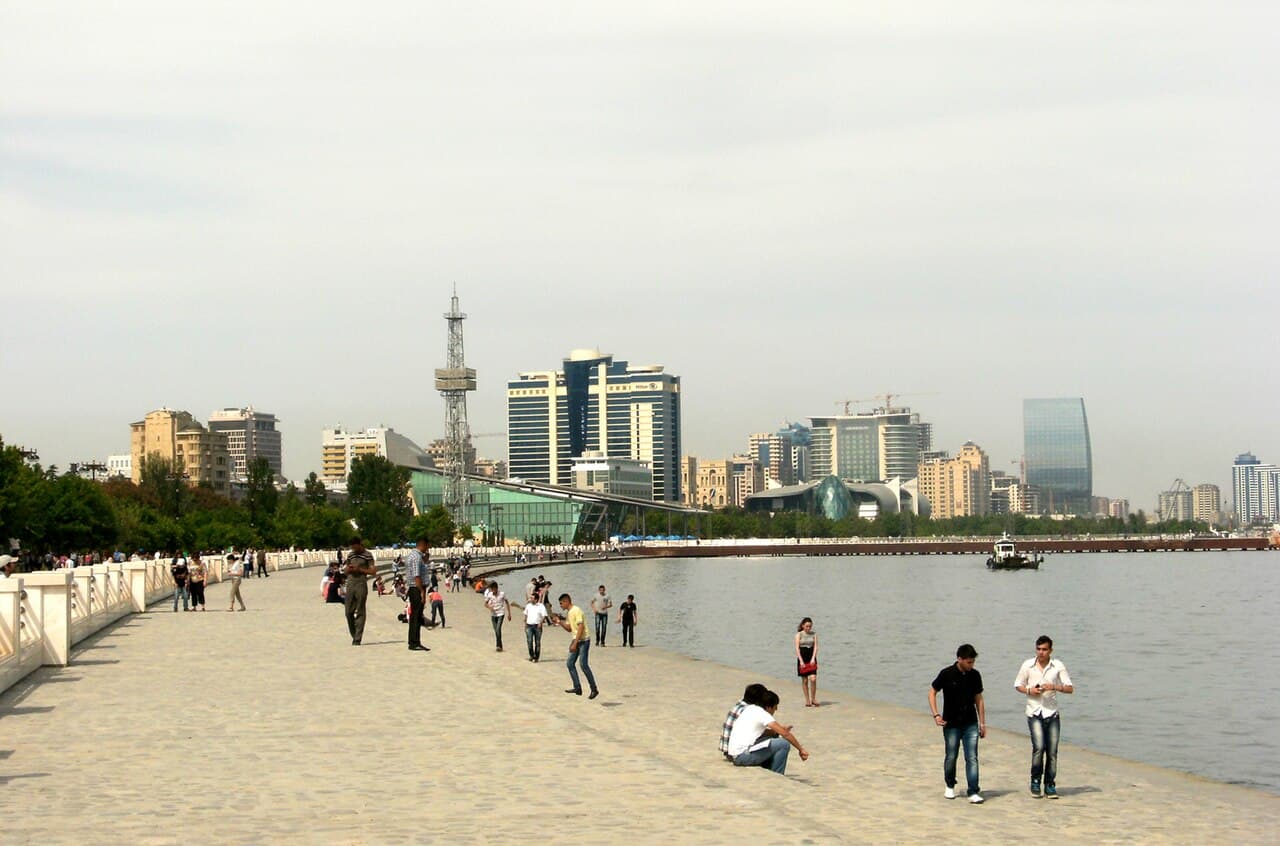
Over the past decade and a half, Baku has built a reputation as an events city. An accumulation of international sporting events, cultural festivals and business conferences has produced a calendar that spreads tourism demand across many seasons — not just the summer months. For a landlord letting short-term, that calendar is not cultural trivia but a pricing tool.
Why an Events Calendar Matters to a Property Investor
Short-let yield is determined by the combination of occupancy and nightly rate. A major event changes both variables at once: occupancy spikes and the nightly rate can double or more.
The less obvious point is that events do not only add income during the event week — they stabilise annual yield. A city with three or four event anchors distributed across the year suffers fewer trough months than a city leaning on a summer season alone.
First Quarter: January to March
The first quarter is Baku's weakest leisure tourism season, with one major exception. Novruz Bayram, the Persian-Azerbaijani spring festival, is celebrated around 20 to 21 March and is the central holiday in the Azerbaijani calendar. It generates significant domestic and regional demand, movement of Azerbaijanis returning from abroad, and regional tourism. We expanded on this in Novruz Bayram in Baku: a full guide.
In January and February, demand rests mainly on business travel and on ski tourism in the mountain regions — whose flagships are Shahdag and Gabala, rather than Baku itself.
Second Quarter: April to June
This is the start of the strong season. The weather is pleasant and the city begins to receive substantial tourist traffic. This period hosts international conferences and exhibitions at Baku's convention venues, as well as sporting events such as the Baku Marathon.
This window is considered one of the most attractive for urban tourism: not too hot, not too crowded, and with flight prices relatively low compared with peak summer.
Third Quarter: July to September
This is peak season, and it rests on two engines. The first is coastal tourism — intensive activity across the Caspian shore resort areas, including the resort clusters in the northern Absheron Peninsula.
The second engine, and the more significant one for nightly rates, is the Azerbaijan Grand Prix in Formula 1. The race features on the 2027 calendar, though the exact date is published with the final season schedule confirmation. Race weekend is the annual peak for accommodation pricing in Baku, particularly for properties within walking distance of the street circuit. We expanded on this in the 2027 Azerbaijan Grand Prix guide.
This period also hosts music festivals, beach events and endurance sport competitions. We detailed these in the Baku Marathon and international sporting events.
Fourth Quarter: October to December
The fourth quarter is the shoulder season, resting mainly on business and cultural events. The Baku International Jazz Festival takes place in autumn and is one of the city's recognised cultural events, drawing an international audience. We expanded on this in the Baku Jazz Festival guide.
This is also a peak period for conferences, trade exhibitions and international forums — particularly in energy, logistics and technology. We expanded on this in the calendar of international conferences and exhibitions in Baku.
Translating the Calendar into a Pricing Strategy
The basic rule is simple: do not price at a flat rate. Divide the year into four tiers — trough, base, peak and event — and set a rate for each.
In practice, it is advisable to open pricing for major event dates months in advance, before hotels fill and before competitors update their rates. For flagship event weekends, a longer minimum-stay requirement is also an accepted market norm. We expanded on the method in how Baku events drive short-term rental pricing.
Important Caveats
Event dates change. Race calendars are re-confirmed annually, festivals shift dates, and conferences are cancelled or move cities. Do not build a yield model resting on a single event, and do not assume an event held this year will occur on the same date next year.
In addition, an event's effect on accommodation prices is geographically limited. A property within walking distance of the event enjoys a significant premium; a property in a distant suburb is barely affected.
Summary
Baku's events calendar is one of the structural advantages of its urban market: it spreads tourism demand across more months than distinctly seasonal resort destinations manage. For an investor, the correct use of the calendar is as a pricing planning tool rather than as a promise of yield. Verify dates against official sources before any pricing decision, and remember that events support yield without guaranteeing it.
Related Articles
 Real estate investing
The Israel-Azerbaijan-US Triangle in 2026
An AI memorandum, an American strategic charter and talks on a trilateral format. What is actually new here, what was already in place, and what it means for buyers
Read more → Real estate investing
How Dependent Is Azerbaijan's Economy on Oil, Really?
The non-oil sector reaches 75.8% of GDP in 2026, but that share is rising for two different reasons. The official figures, the IMF's view, and what it means for buyers
Read more → Real estate investing
The Armenia-Azerbaijan Peace Deal: Where It Stands
The agreement was initialed in August 2025 but remains unsigned. What was agreed, what is blocking signature, what the Armenian election changed, and what it means for owners
Read more →