F1 Azerbaijan Grand Prix 2027: A Property Guide
Published on 2026-09-08 · 4 min read
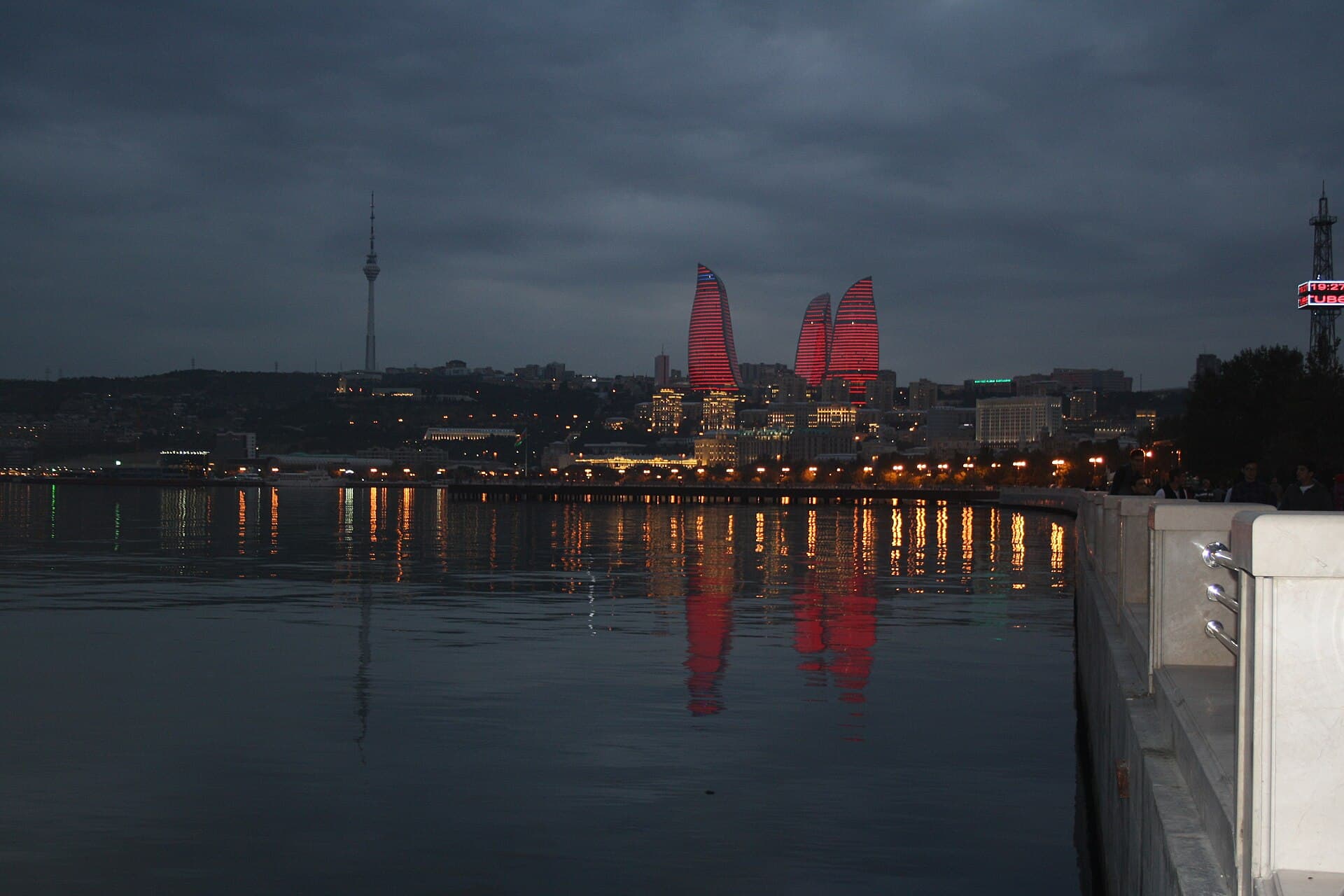
The Azerbaijan Grand Prix is the one event in Baku's calendar that shifts accommodation pricing across the city by an order of magnitude. The street circuit runs through the heart of the city, alongside the Old City and along the seafront boulevard, and the race features on the 2027 calendar. For a landlord letting short-term, a single weekend can represent a meaningful share of annual income.
What Makes the Baku Race Distinctive
The Baku circuit is an urban street track that threads between historic buildings in the Old City and runs along the Caspian seafront boulevard. It is one of the fastest tracks on the calendar and one of the most visually recognisable — which makes it a reputational asset for the city.
For an investor, the significance lies not in the sporting interest but in the location: the race takes place inside the central residential districts rather than at a suburban circuit. This creates sharp demand for properties in specific areas.
Where the Demand Actually Sits
The race's effect on accommodation pricing falls off steeply with distance from the circuit. The areas that benefit most are:
Sabail and the city centre — the zone adjoining the circuit. Properties here, especially those with a view of the track or a balcony facing the boulevard, command the highest premium. We expanded on this in the Sabail neighbourhood guide.
Icherisheher, the Old City — the circuit passes nearby, and the area also benefits from its general tourist appeal. We expanded on this in the Old City living guide.
Khatai and the intermediate districts — a moderate premium, a short drive or a long walk from the circuit. We expanded on this in the Khatai neighbourhood guide.
In the outer suburbs, the effect on accommodation pricing is minimal to non-existent.
How the Race Affects Accommodation Pricing
Over race weekend, central hotels reach full occupancy and nightly rates rise substantially above standard tariffs. The spillover into the private rental sector is direct: visitors who cannot find a hotel room, or who prefer a whole apartment, turn to the private market.
It is important to understand the shape of the demand: this is a three to five night period, not a single night. Fans arrive before the practice sessions and stay after the race. A minimum-stay requirement is an accepted market norm in this window.
Timing: When to Open Pricing
This is the most common mistake made by landlords new to the market. Opening pricing too late — a month before the race — misses the early booking wave.
Established practice is to open the dates as soon as the season calendar is officially confirmed, typically many months ahead. Formula 1 fans plan trips very early, particularly when an international flight is involved. Anyone waiting until the last minute finds themselves competing for residual demand.
Beyond the Weekend: The Brand Effect
The race's effect on the property market does not end after three nights. International broadcast of the circuit, with aerial shots of the Flame Towers, the Old City and the coastline, is a marketing exposure that is hard to quantify but meaningful for building an urban brand.
In addition, hosting a race at this level requires and justifies sustained infrastructure investment — roads, lighting, drainage, signage and public realm — which remains in the city long after the cars leave. We expanded on this in international events and Baku's global city brand and the modern infrastructure upgrade in Baku.
Important Caveats
Three mistaken assumptions are worth guarding against. First, the race calendar is re-confirmed each season, and a city's place on it is not guaranteed in perpetuity. A race hosting contract is a commercial agreement with a defined term.
Second, one weekend is not a business model. Annual yield is built from 52 weeks, not three nights. An investor buying a property primarily because of the race is basing an economic decision on a very small share of the calendar.
Third, extensive road closures apply across the city centre during the race. For long-term tenants this is a disruption of several days, and it should be factored into expectation-setting.
How to Use It Properly
The balanced approach is to treat the race as one component in a multi-event calendar rather than a single anchor. Combining the Formula 1 weekend with the autumn jazz festival, Novruz in spring, the summer coastal season and a business conference calendar produces an income profile spread across the year. We expanded on this in the Baku events calendar 2027.
Summary
The Azerbaijan Grand Prix is a genuine asset for Baku's short-let market, particularly in the districts adjoining the circuit. It generates a significant price premium over a short window and contributes to the city brand over the long term. At the same time, it is no substitute for stable year-round demand, and no yield model should be built on it. Verify dates against the official race calendar before any pricing decision.
Related Articles
Real estate investingThe Israel-Azerbaijan-US Triangle in 2026
An AI memorandum, an American strategic charter and talks on a trilateral format. What is actually new here, what was already in place, and what it means for buyers
Read more → Real estate investing
How Dependent Is Azerbaijan's Economy on Oil, Really?
The non-oil sector reaches 75.8% of GDP in 2026, but that share is rising for two different reasons. The official figures, the IMF's view, and what it means for buyers
Read more → Real estate investing
The Armenia-Azerbaijan Peace Deal: Where It Stands
The agreement was initialed in August 2025 but remains unsigned. What was agreed, what is blocking signature, what the Armenian election changed, and what it means for owners
Read more →