Why Invest in Azerbaijan: A Young Population Driving Housing Demand
Published on 2026-08-04 · 3 min read
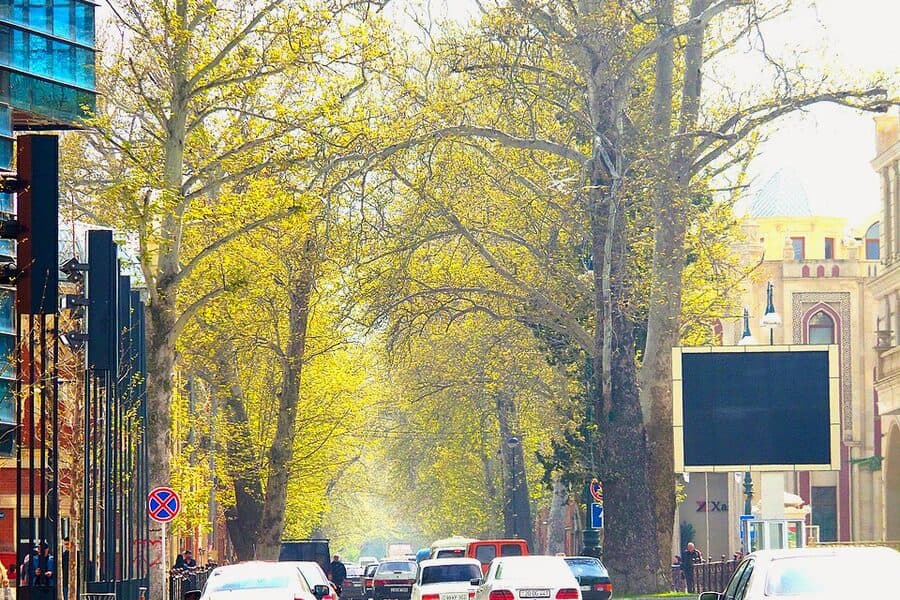
One of the less-discussed factors behind interest in Azerbaijani real estate is the country's demographic profile. Most conversations focus on property prices or rental yields, but the age structure of the population and internal migration patterns are what shape underlying housing demand over the long run.
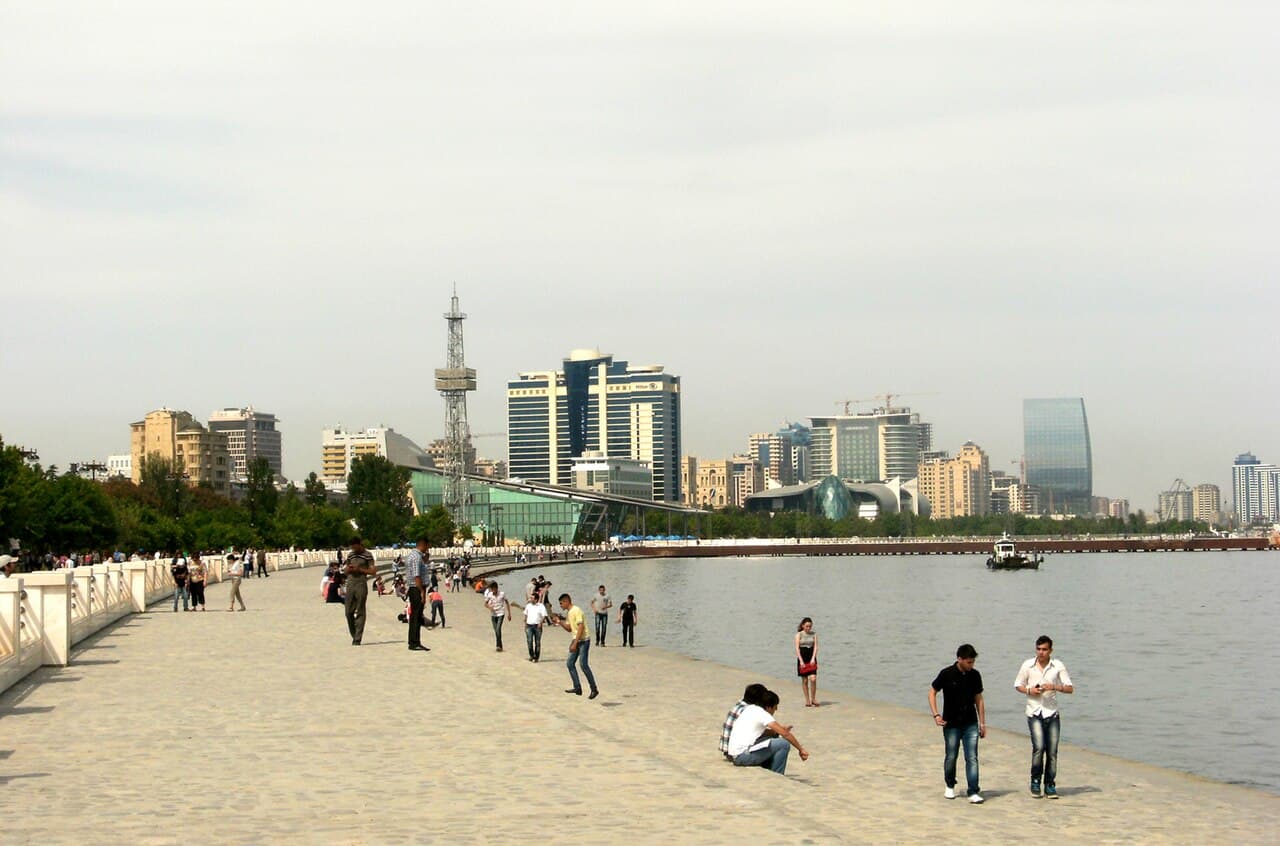
A Relatively Young Population
Azerbaijan is generally considered to have a relatively young population compared with many European countries and even some of its neighbors. The median age is estimated to be in the low-30s, and a meaningful share of the population falls into the age range where people typically start independent households - marriage, first children, and either a first home purchase or a move to independent rental housing. That is precisely the age segment that drives new housing demand, in contrast to aging populations where demand tends to be more static.
Accelerating Urbanization
Alongside this age structure, Azerbaijan has seen a sustained trend of urbanization - a gradual shift of residents from rural areas and outlying regions toward Baku and the surrounding Absheron peninsula. This trend is not unique to Azerbaijan, but it has a direct effect on the real estate market: as more young households relocate to cities, demand for rental and for-sale apartments in city centers and nearby suburbs tends to increase.
What This Means in Practice for Investors
The combination of a young population and continued urbanization creates, at least in theory, a structural base of housing demand that isn't solely dependent on tourism cycles or one-off foreign investment waves. Investors weighing whether to invest in Azerbaijan sometimes treat this trend as a partial "safety net" - even if tourism or foreign capital inflows slow during a given period, underlying local housing demand tends to persist, even if at a more modest pace.
Related Economic Considerations
It's worth remembering that urban population growth alone doesn't guarantee price appreciation. Actual demand also depends on real wage growth, the availability of mortgage financing for local buyers, and the pace of new construction. If construction outpaces household formation, supply can catch up with - or even outstrip - demand, which can moderate price gains. It's best to treat the demographic backdrop as a supporting factor rather than a guarantee of returns.
Risks and Caveats Worth Knowing
- Demographic data reflects trends, not precise forecasts: the pace of urban growth can shift with government policy, employment opportunities, and broader economic conditions.
- Regional disparities: demand is concentrated mainly around Baku and its surroundings, while trends in other cities may be more moderate or even reversed.
- Dependence on purchasing power: a young population is not automatically a population with strong purchasing power, so it's worth also reviewing wage and employment data.
Bottom Line for Investors
For those considering a long-term investment in Azerbaijan, the demographic backdrop - a relatively young population and ongoing urbanization - is a supporting factor worth weighing alongside other elements such as rental yields, regulatory stability, and financing conditions. As with any developing market, it's advisable to combine demographic analysis with local due diligence and work with professionals on the ground, rather than relying on a single trend as the basis for an investment decision.
Related Articles
- Why Azerbaijan's Economic Diversification Matters for Real Estate Investors
- Why Invest in Azerbaijan: Renewable Energy and Agriculture as New Growth Engines
- Baku's Economic Growth: Why It Matters for Real Estate Investors
- Ganja: Azerbaijan's Historic Second City
- Baku's Best Neighborhoods for Living and Investing
 Real estate investing
The Israel-Azerbaijan-US Triangle in 2026
An AI memorandum, an American strategic charter and talks on a trilateral format. What is actually new here, what was already in place, and what it means for buyers
Read more → Real estate investing
How Dependent Is Azerbaijan's Economy on Oil, Really?
The non-oil sector reaches 75.8% of GDP in 2026, but that share is rising for two different reasons. The official figures, the IMF's view, and what it means for buyers
Read more → Real estate investing
The Armenia-Azerbaijan Peace Deal: Where It Stands
The agreement was initialed in August 2025 but remains unsigned. What was agreed, what is blocking signature, what the Armenian election changed, and what it means for owners
Read more →